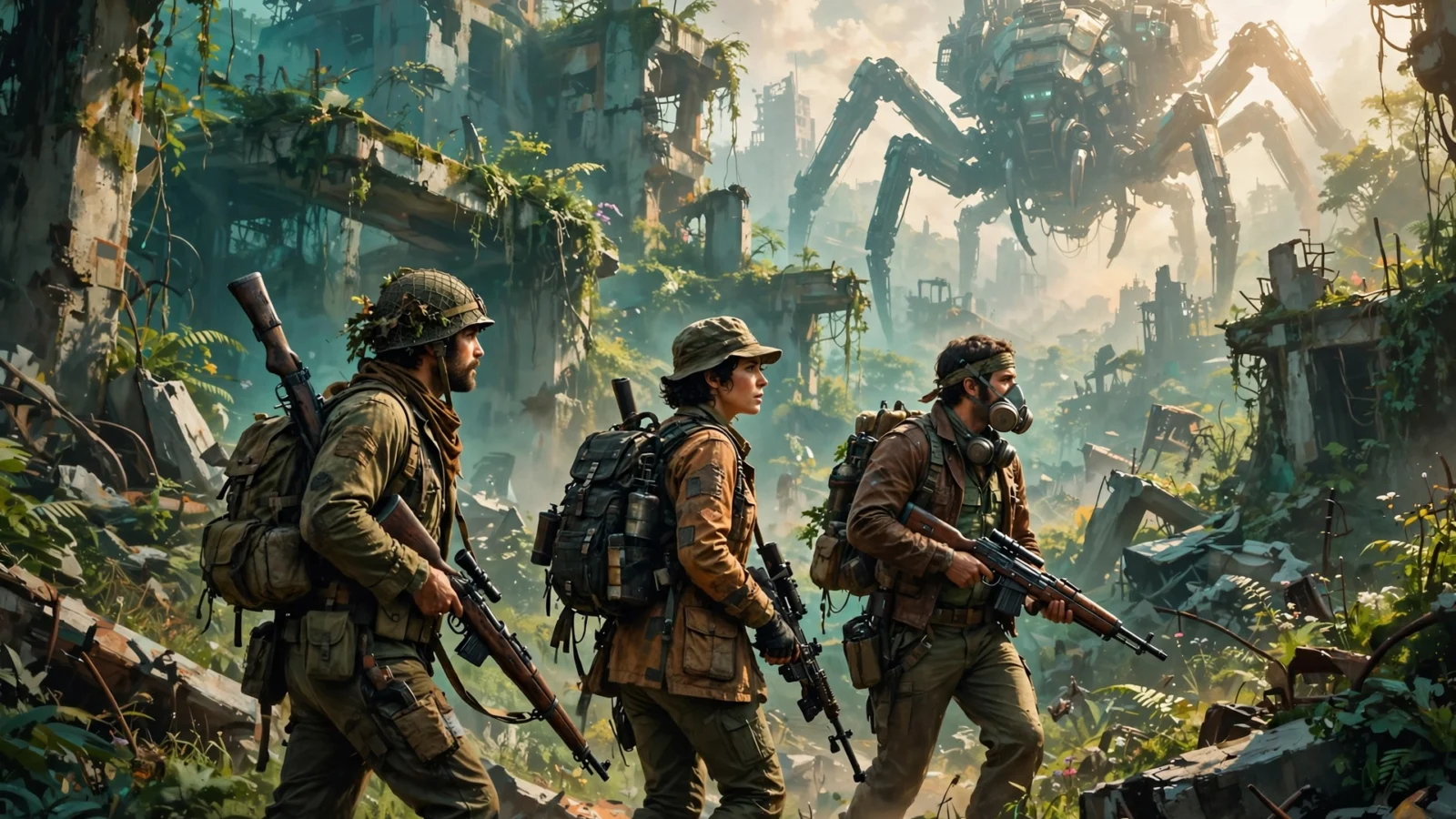
Nine weeks. That is how long ARC Raiders has now sat at the very top of Steam’s most-played chart in the United States, fending off every challenger from Valve’s own back catalogue to the endless churn of free-to-play giants. According to fresh player-engagement data shared this week by Circana’s Mat Piscatella, Embark Studios’ extraction shooter is not just surviving its success, it is extending it, holding the number one spot for the ninth consecutive week while also cracking the top ten on both major consoles.
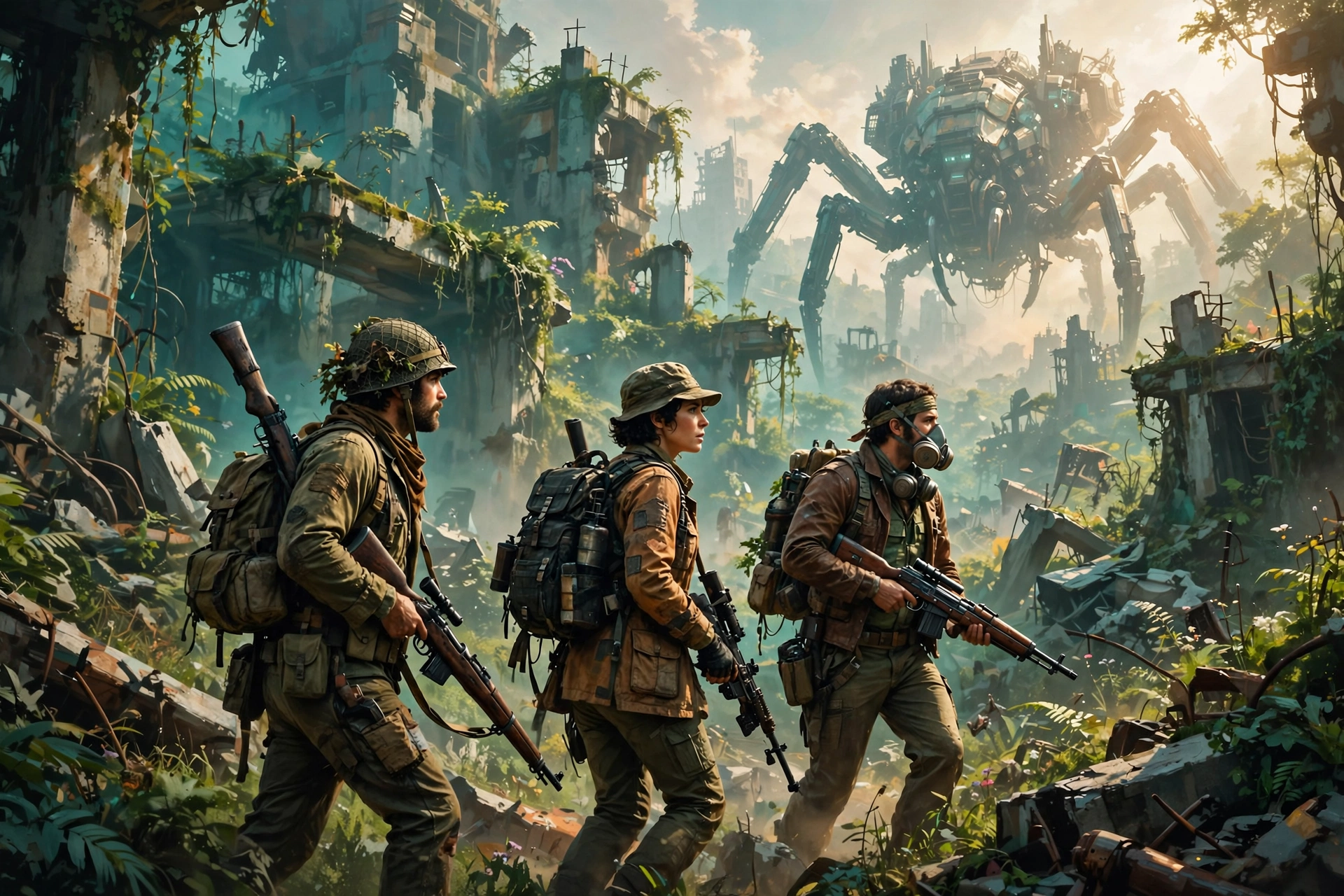
In a year where the industry conversation has been dominated by layoffs, rising budgets and anxious questions about what comes next, the ARC Raiders story stands out as a genuine bright spot. The game’s success has now reached the point where the players themselves have become part of the problem: they have grown so skilled at dismantling the robotic ARC machines that Embark is openly discussing how to make the game’s PvE side deadlier again. And there are fresh rumblings that the game’s menu-bound hub world, Speranza, could one day become a place you actually walk around.
Nine Weeks at the Top: The Numbers Behind the Streak
The figures come from Mat Piscatella of Circana, the American market research firm that tracks how players in the US are spending their time and money. In a post shared this week, Piscatella laid out the most-played games across Steam, PlayStation and Xbox, and the message was unmistakable: on PC, ARC Raiders remains the game everyone is playing.
Holding the top of Steam’s most-played ranking for nine straight weeks is a feat almost nobody pulls off. Steam’s charts are famously volatile, with free-to-play juggernauts like Counter-Strike 2, Dota 2 and PUBG: Battlegrounds permanently parked near the summit and new releases crashing the party every Friday. For a paid extraction shooter to sit above all of them for more than two months is a sign of an unusually sticky player base. Elsewhere on the PC chart, Dota 2 climbed back into the top ten for the first time since November 2024, a reminder that Valve’s veteran MOBA still commands a huge and loyal audience.
On the console side, the rankings stayed familiar at the top, with Fortnite holding first place, followed by Call of Duty, Grand Theft Auto V and Roblox in fourth. ARC Raiders carved out space for itself there too, landing eighth on PlayStation and seventh on Xbox, which is remarkable for a game whose roots are so firmly in the PC extraction shooter scene. The timing is interesting as well: Steam’s weekly top sellers show Call of Duty: Modern Warfare 4 pre-orders sitting at number one by revenue, yet in terms of what people are actually booting up and playing every day, the answer is still ARC Raiders.
The Game Behind the Numbers
ARC Raiders is a PvPvE extraction shooter from Embark Studios, the Stockholm-based developer founded by former Battlefield talent and backed by Nexon. Launched in October 2025 for PC, PlayStation 5 and Xbox Series X and S, it drops players into the Rust Belt, a ravaged slice of America overrun by the ARC, a mysterious faction of hostile machines.
You play as a Raider, one of the scavengers who descend from the underground settlement of Speranza to the surface in search of loot. Every run is a gamble: you gear up, drop into a map crawling with both ARC machines and other players, grab whatever you can, and then try to extract before someone, or something, takes it all away. The classic extraction formula gets its tension from both directions at once: the machines want to kill you, and so do the other Raiders, who might just as easily decide to team up with you instead. That risk-reward loop is the engine of the game’s staying power, and it is why millions keep coming back for one more run.
A Victim of Its Own Success: Players Are Too Good Now
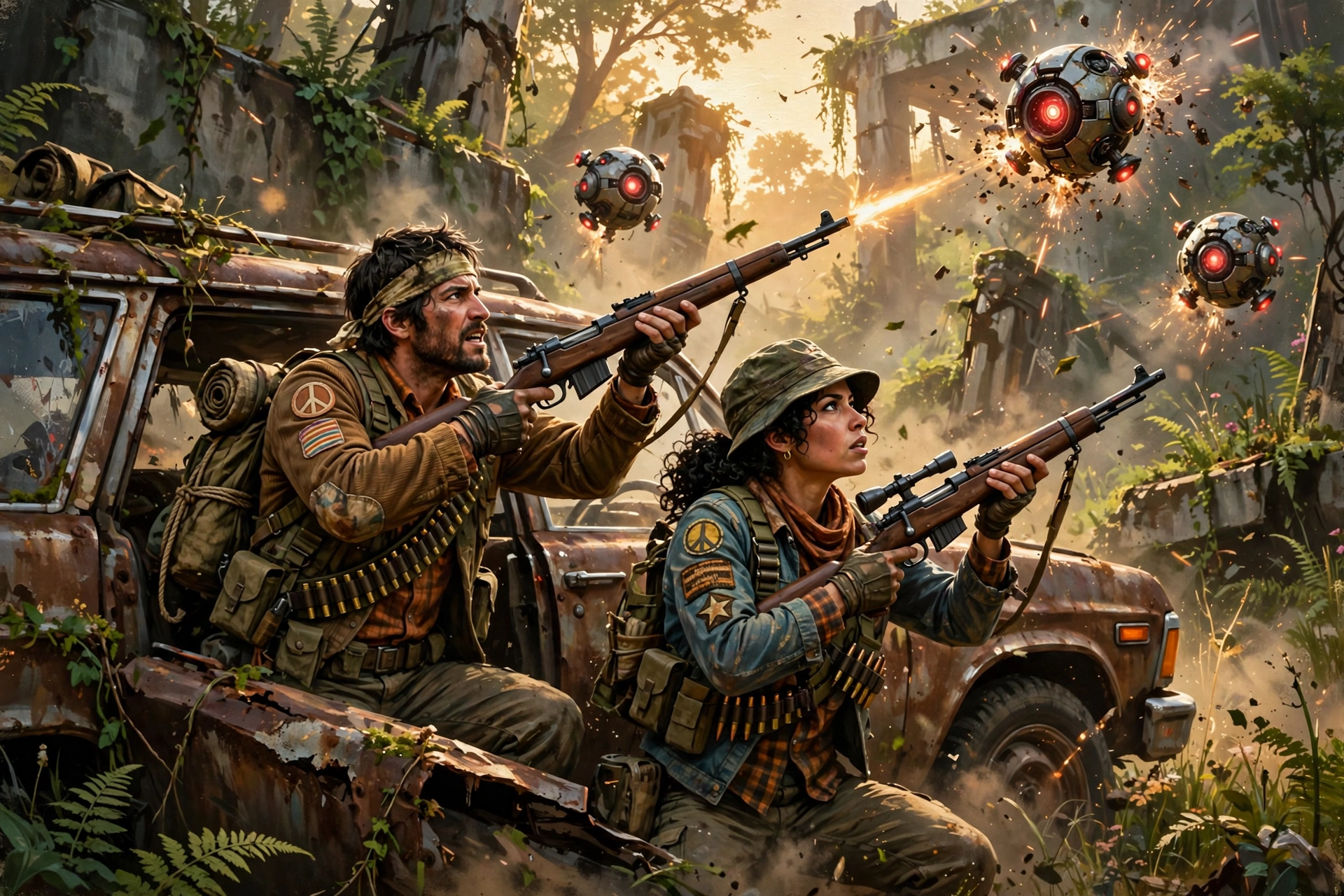
Here is the unusual problem Embark now faces: its players have become too skilled. In recent developer commentary, design lead Virgil Watkins acknowledged that the player base, particularly the most engaged veterans, has grown so effective at taking down ARC machines that the PvE side of the game no longer provides the mitigating threat it was designed to be.
Watkins has been candid about where the responsibility lies. In an interview with PC Gamer, he admitted that Embark gave players, in his words, “too effective abilities” to take down the game’s biggest machines too early in their journey. The Matriarchs and Queens, the six-legged giants that are supposed to be the closest thing ARC Raiders has to boss encounters, were tuned for mid-game gear. But players figured out how to bring them down fast, especially when an entire server’s worth of Raiders dogpiles a single target. As Watkins put it, those fights were never intended for the full server to show up and share the reward equally; they were meant for a couple of dedicated squads, juggling cooperation and betrayal at the same time.
So Embark wants to escalate. In a separate interview with GamesRadar, Watkins explained that the team is looking at introducing new varieties of regular ARCs with fresh weapons and attack patterns, designed to put the pressure back on players who have learned every trick the current roster has. The goal is not to make the game harder for the sake of it, but to restore the feeling that the machines are a genuine third party in every firefight, not target practice between player skirmishes. The team says it is sitting on a growing pile of live data showing exactly how players engage with different parts of the game, so the rebalancing will be driven by real behavior rather than guesswork.
The Colossal ARCs Lurking in the Background
The most tantalizing part of the escalation talk involves the giants. Sharp-eyed players have long noticed enormous, mountain-sized ARC silhouettes looming in the background of certain maps, and Watkins has hinted that the team would love to make those colossal machines an actual part of the game rather than scenery.
The obstacle, as he memorably put it, is technical: enemies on that scale would currently “blow up the server.” That is not a no, though, it is a maybe with an engineering problem attached. If Embark can solve the networking and performance puzzle, the arrival of genuinely colossal ARCs would reshape the endgame completely, giving boss farming and high-end gear a new, terrifying purpose. Right now, the endgame loop revolves around farming bosses to craft gear that is effective against those same bosses, a cycle that risks feeling repetitive over time. Player reactions to the idea of giant ARCs have been overwhelmingly positive, but there is no confirmation, no date and no guarantee. The door is open, and that alone is enough to set the community theorizing.
Opening the Doors of Speranza
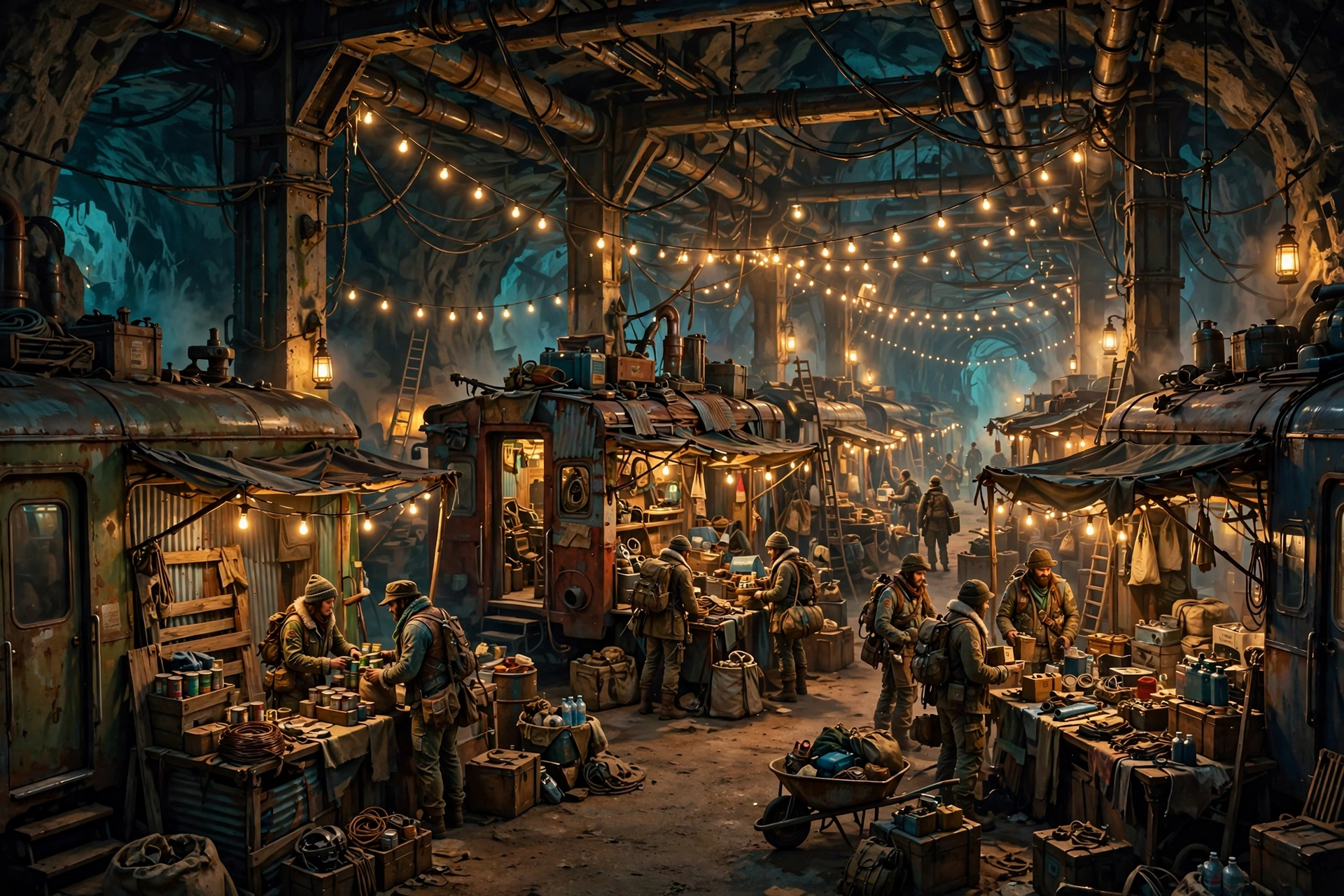
The other big talking point this week is Speranza itself. In the current game, Speranza, the underground settlement where Raiders live, is essentially a set of menus: a place to pick up tasks, buy and sell gear, and manage your loadout before heading back to the surface. But according to recent reports, Embark has been discussing the possibility of opening it up as a fully explorable, walkable social hub, somewhere players could stroll the streets, meet up with other Raiders and visit traders in person.
The comparison that keeps coming up is Destiny 2’s Tower or the gathering areas of Monster Hunter, social spaces that give a live-service game a sense of place and community between missions. Watkins has stressed, however, that any walkable Speranza would need to preserve the fast, menu-driven access players currently enjoy. Nobody wants to be forced to jog across a virtual city just to change a weapon attachment or hand in a quest.
Expectations need managing here: there is no confirmed release window, and the team has described the idea as something it wants to do “when the moment is right” rather than a scheduled update. But the fact that Embark is talking about it at all says a lot about the studio’s ambitions. A game that started as a tense extraction loop is being imagined as a persistent world with a living home base, and that is the kind of evolution that keeps a community invested for years.
What This All Means for Players
Stepping back, the ARC Raiders story is really two stories in one. The first is commercial: a mid-priced extraction shooter from a relatively young studio has held off every challenger on PC for nine straight weeks and planted a flag on consoles too, at a time when expensive live-service bets are failing all around it. The second is creative: Embark is using that success as fuel, planning new maps, new machine types and potentially new ways to experience the game’s world. Earlier roadmaps have pointed to a new coastal map arriving as part of an “Escalation” phase, alongside fresh map conditions and tweaks to high-level matchmaking.
There are challengers circling. The Steam charts are never quiet for long, Call of Duty: Modern Warfare 4 is already dominating pre-order revenue, and Bungie’s long-awaited extraction shooter Marathon looms as the most direct competitor ARC Raiders has ever faced. Nine weeks at the top does not guarantee a tenth. But ARC Raiders is not coasting on launch hype; it is being actively re-engineered while millions play it, with its developers openly admitting what needs fixing and teasing what could come next. In an industry full of games that launch big and fade fast, nine weeks at number one, and a plan to earn the tenth, is the kind of story worth paying attention to.