If you have spent any time on Steam lately, you have seen the name everywhere. Deadlock, Valve’s strange and brilliant mix of third-person shooter and MOBA, pulled more than 260,000 concurrent players in early October 2026. And it is still technically an invite-only playtest. This Deadlock beginner’s guide is for everyone who just got an invite, or is about to, and wants their first matches to make sense instead of feeling like chaos.
Here is the honest truth up front: your first few games will feel overwhelming. There are lanes to hold, souls to farm, items to buy, and a giant Patron to kill at the end. But once the economy clicks, Deadlock becomes one of the most satisfying team games on PC. Let’s break it down the way I wish someone had broken it down for me.
What Is Deadlock, Exactly?
Deadlock is Valve’s 6v6 third-person hero shooter built on MOBA rules. Two teams of six pick heroes, push three lanes, farm souls from troopers and enemy heroes, buy items, and fight to destroy the enemy Patron. A match usually takes around 30 to 40 minutes.
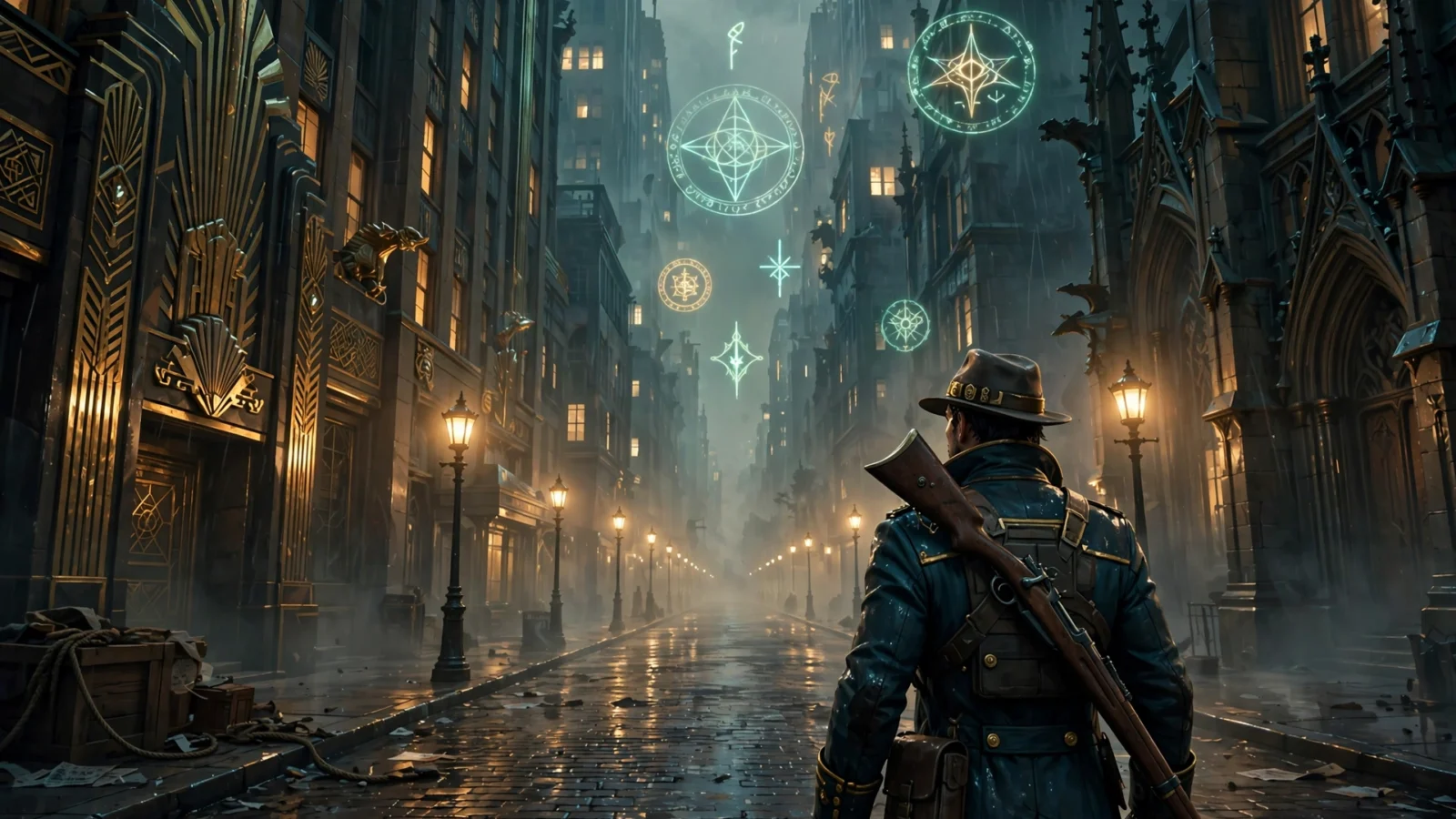
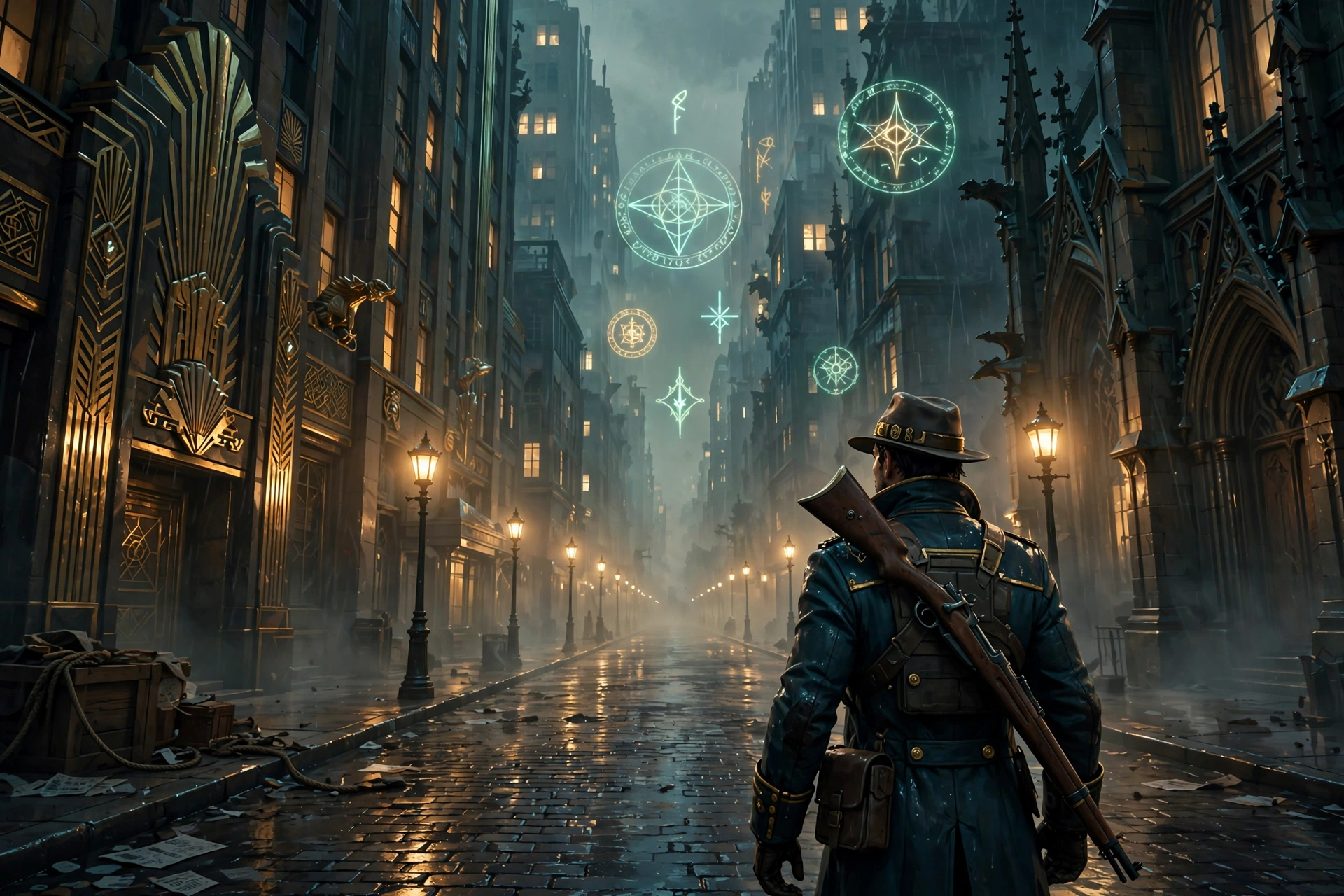
The setting is what makes it stick in your head. The game takes place in a haunted, alternate version of 1920s and 1940s New York, fans call it the Cursed Apple, where art-deco skyscrapers sit next to gothic churches and occult magic is just part of daily life. It looks like nothing else on Steam, and that is a big reason clips of it keep going viral.
One important note: Deadlock is still in early development, and access is limited to friend invites from current playtesters. There is no release date yet and nothing to buy. The Deadlock Steam page lists it as not yet available. If a friend plays, ask them for an invite. That is currently the only way in.
How Do Souls Work in Deadlock?
Souls are the whole game. They are Deadlock’s gold and experience rolled into one number. You start each match with 600 souls, and everything you earn buys items and pushes you toward Boons. The level milestones that raise your stats and hand out ability points.
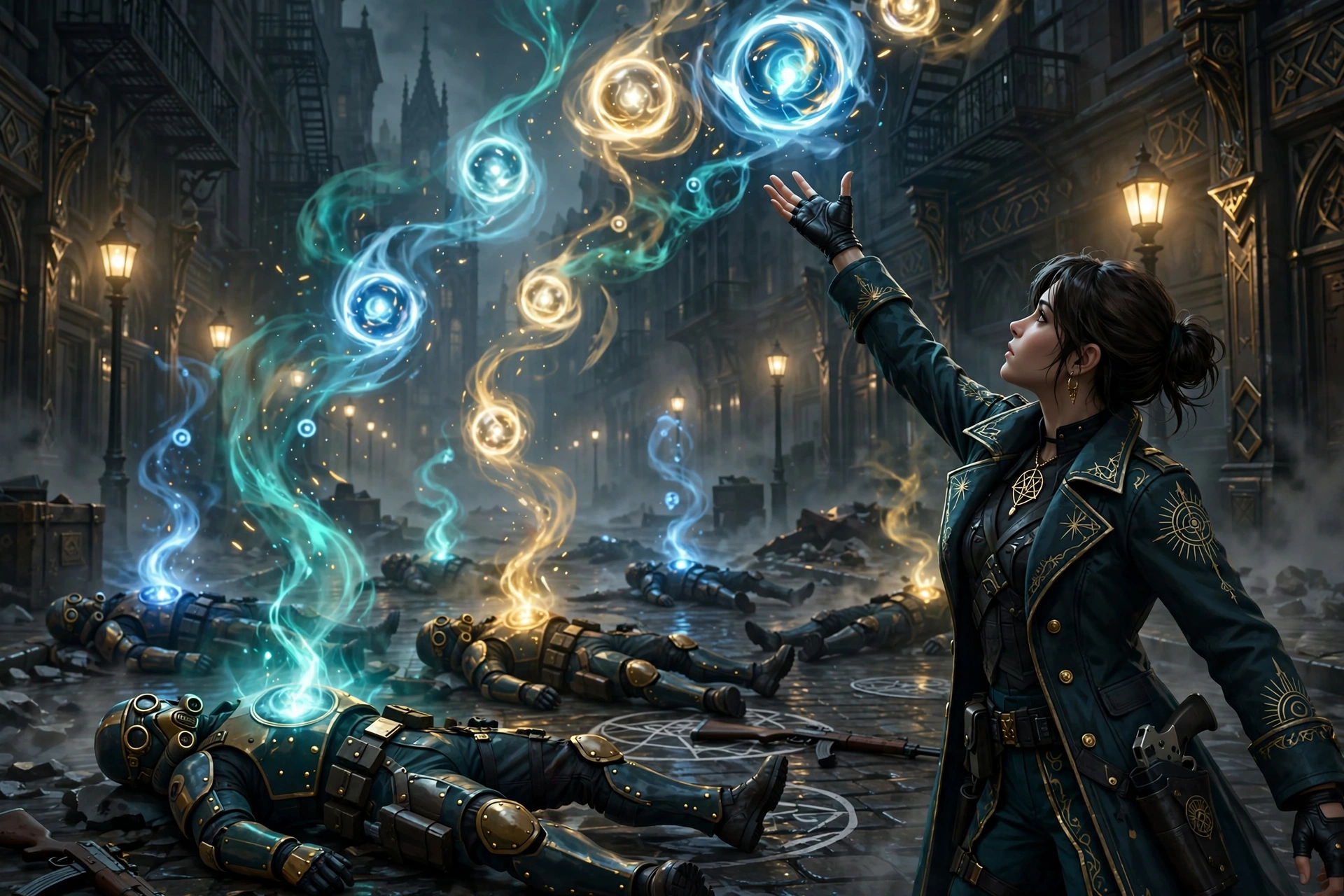
Most of your early souls come from troopers, the AI soldiers marching down each lane. Here is the part new players miss: killing a trooper is only half the job. When one dies, half its souls fly up as an orb you have to shoot to secure, and the other half drops as a second orb you walk over. Your lane opponents can shoot your orbs too, which denies you the souls. So every last hit turns into a tiny duel, and the player who pays attention to orbs ends the laning phase noticeably richer.
Souls also come from hero kills, jungle camps the game calls Haunts, breakable crates, the Soul Urn objective, the Unstable Rift, and the Mid-Boss. Early on, though, troopers are your paycheck. Protect them, farm them, and do not hand the enemy free kills. Every death feeds their economy too.
The Three Lanes and How to Win in Deadlock
The map has three lanes, York in yellow, Broadway in blue, and Greenwich in green, and each team sends two heroes to each one. Every lane has a zipline you can ride to move fast, which makes rotating between lanes much quicker than in most MOBAs. Learn the zipline routes early; they are how you show up to fights your enemies do not expect.
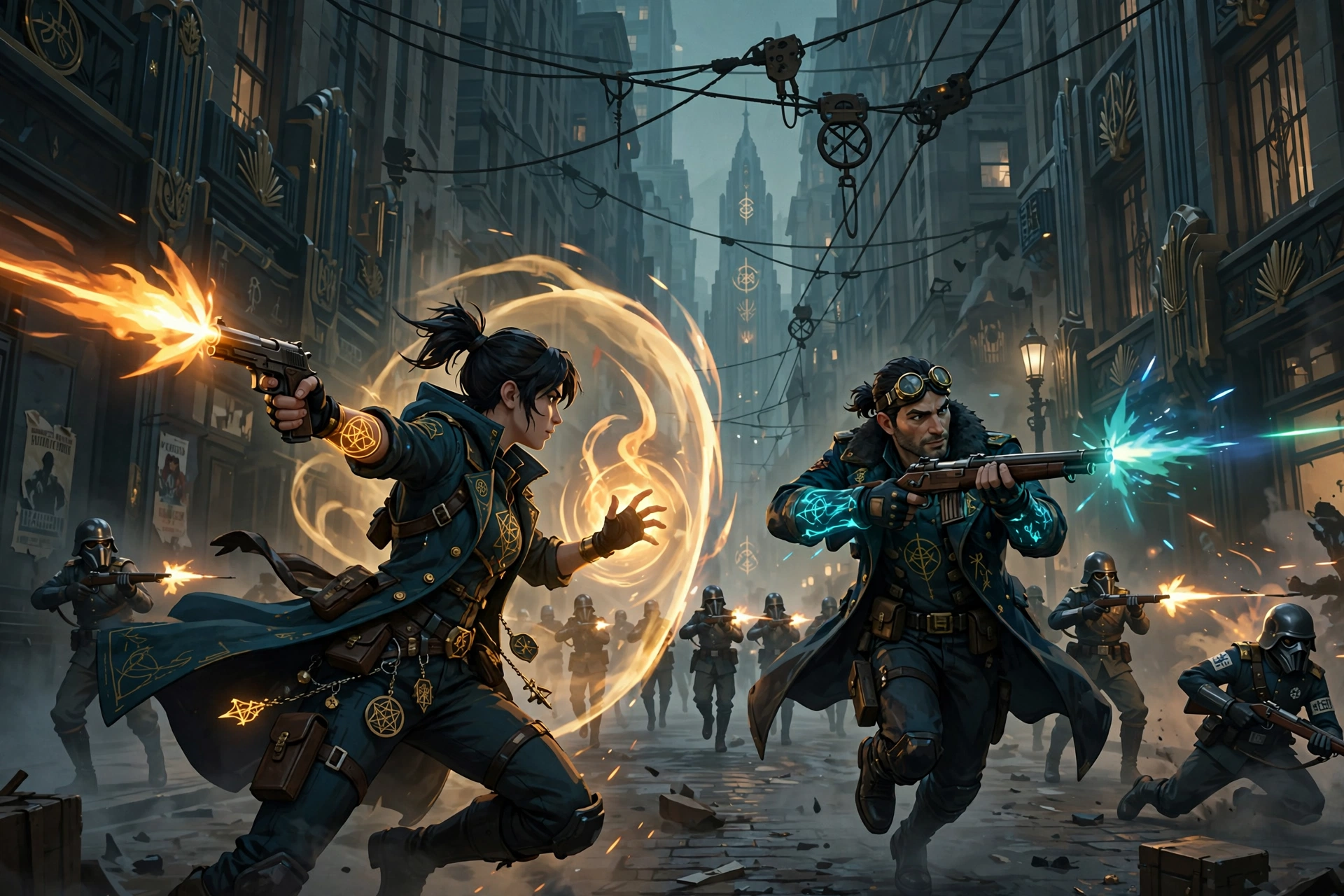
To win, your team has to break through the enemy’s defences in order. Each lane is guarded first by a Guardian, then by a much tougher Walker, then by the Base Guardians outside the enemy base. Only after those fall can you take on the Patron itself, a two-phase final boss that takes a coordinated team effort to kill. There is no sneaking past the order. You push, you break things, you push further.
Along the way, three objectives keep pulling teams into fights. The Soul Urn descends around the ten-minute mark and then roughly every five minutes, and carrying it to the drop-off banks a chunk of souls for your whole team. Bring an escort, because the carrier cannot use ziplines. The Unstable Rift is a king-of-the-hill zone that opens in one lane every few minutes. And the Mid-Boss, a powerful neutral enemy, rewards the team that takes it down. You do not have to fight over every objective, but ignoring all of them is how a winning lane turns into a lost game.
What Is the Easiest Hero in Deadlock?
Deadlock does something unusual: there is no pick phase. You queue with a roster of at least three heroes, and the matchmaker hands you one of them. That means you cannot one-trick a single character from day one, so build a small pool of three to five heroes you are comfortable on instead of trying to learn the whole roster at once.
So, what is the easiest hero in Deadlock? Most experienced players give the same answer: Seven. He is a mid-to-late-game carry whose area attacks hit whole groups at once, he farms souls fast, and his ultimate is simple to use well. If you want one hero to learn the game on, start with Seven.
For other playstyles, these are the safest first picks:
- Abrams: a tanky frontline brawler with huge health and self-healing. He forgives bad positioning, which is exactly what a beginner needs.
- Dynamo: a support who heals teammates, saves allies from trouble, and disrupts enemies with simple crowd control. The most recommended first pick overall.
- Mo & Krill: the most health in the game with a simple kit built around picking off out-of-position enemies. Barely needs aim.
- Infernus: an initiator whose Afterburn keeps damage ticking even when your shots miss, with a dash to escape bad fights.
- Wraith: a gun carry with a strong weapon and an instant escape, great if you come from shooters and trust your aim.
- McGinnis: turrets, a wall, and an early heal let her control space and farm safely without much mechanical skill.
- Grey Talon: a ranged carry who pokes from far away, so you stay out of danger while you learn.
- Kelvin: slows, healing, and staying power make him one of the friendliest heroes for a very first game.
A quick warning about Graves: she is often called the easiest hero in the game because her beam barely needs aiming, but she has almost no mobility and teaches bad habits. Use her as training wheels for your first few matches, then move on to someone like Seven.
Items: What to Buy First
Items come in three categories, Weapon, Vitality, and Spirit, and four price tiers at 800, 1,600, 3,200, and 6,400 souls. Your build is how your hero actually scales, so do not sit on unspent souls. A good rule for your first games: buy something useful the moment you can afford it instead of saving for a big item while you keep losing fights.
Start with cheap early items that match your hero’s job. Weapon items if your damage comes from your gun, Spirit items if your abilities do the heavy lifting, Vitality items if you keep dying. And use the game’s built-in community builds. Pick a highly rated one for your hero and follow it for your first ten games. You can experiment later, once you understand why the build works. The shop’s Popular Items tab is also worth checking after every patch, since balance changes shuffle the best buys regularly.
10 Deadlock Beginner Tips That Actually Help
- Play a few bot matches first. Deadlock’s sandbox tools, including a DPS meter, a combat log, and a free shopping mode added in the City Never Sleeps update, let you learn a hero with zero pressure. Use them.
- Secure your orbs, deny theirs. Shoot the soul orb after every trooper kill, and shoot the enemy’s orbs when it is safe. This one habit is worth hundreds of souls per match.
- Do not chase kills into the enemy base. A kill is worth far less than the death you give away right after it. If you are unsure, take the farm and leave.
- Spend your souls. Unspent souls are wasted power. Back to base, buy, and come back stronger.
- Learn the dash jump. Jumping and dashing together is your main way to cross the map quickly, and saving a dash to dodge is often better than using it to engage.
- Use ziplines to rotate. When your lane is pushed, ride the zipline to help another lane or contest an objective instead of standing around.
- Watch your respawn timer. It grows from around 8 seconds early to nearly 40 seconds by the 20-minute mark, so a late death can cost your team an objective.
- Push with your troopers. Troopers tank structure damage for you. Fighting a Guardian alone without a wave is a slow way to die.
- Try every hero at least once. Even heroes you never main are worth a game, because understanding their abilities teaches you how to play against them.
- Talk to your team. Call out the Soul Urn, the Rift, and missing enemies. Deadlock punishes silent teams more than most games do.
If you are coming from a pure shooter, our Battlefield 6 beginner’s guide covers the same fundamentals of positioning, classes, and settings. In a game without the MOBA economy. And if you like the farming-and-progression loop, our AION 2 beginner’s guide breaks down class picks and leveling in another game where the early grind decides everything.
Deadlock Beginner FAQ
Is Deadlock free to play?
There is no price and nothing to buy. The Steam page carries a Free to Play tag, but the game is an invite-only playtest with no purchase option. You get in through a friend invite from a current playtester, not through a store purchase.
How long does a Deadlock match take?
Most matches run about 30 to 40 minutes. Surrenders and one-sided stomps can end faster, but plan for a full half-hour-plus session before you queue.
How do I get access to Deadlock?
Access is limited to friend invites via playtesters, according to Valve’s notice on the Steam page. There is no public sign-up queue, so a friend who already plays has to invite you inside Steam. For a deeper walkthrough of the same basics, the community’s Deadlock beginner’s guide on Deadlock.gg is also worth bookmarking.
Deadlock rewards patience more than raw aim, and that is good news for beginners. Learn the soul economy, pick one forgiving hero, spend your souls, and show up for objectives. Do that consistently and your first wins will come sooner than you expect. If you want to aim and settings dialled in for your other shooters too, our ARC Raiders best settings guide is a handy companion read. See you in the Cursed Apple.