Phantom Blade Zero launches on October 29, 2026, and it is already one of the most wishlisted and talked-about action games of the year — sitting at number two on Steam’s top sellers chart before release. That is not normal for a new series. This Phantom Blade Zero beginner’s guide pulls together everything previews and early reviews have confirmed so you can hit the ground running on day one, whether you play on PlayStation 5 or PC.
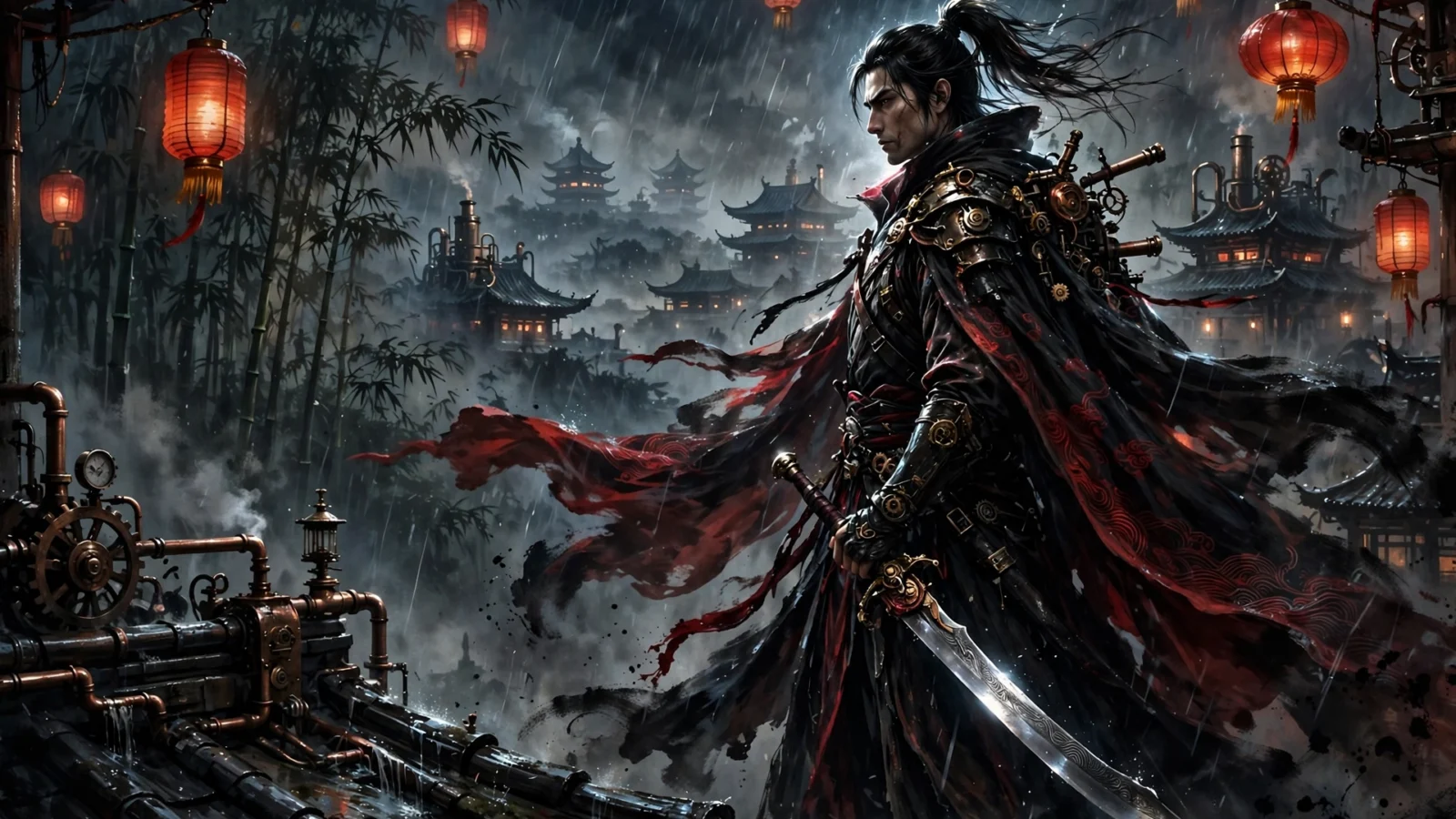
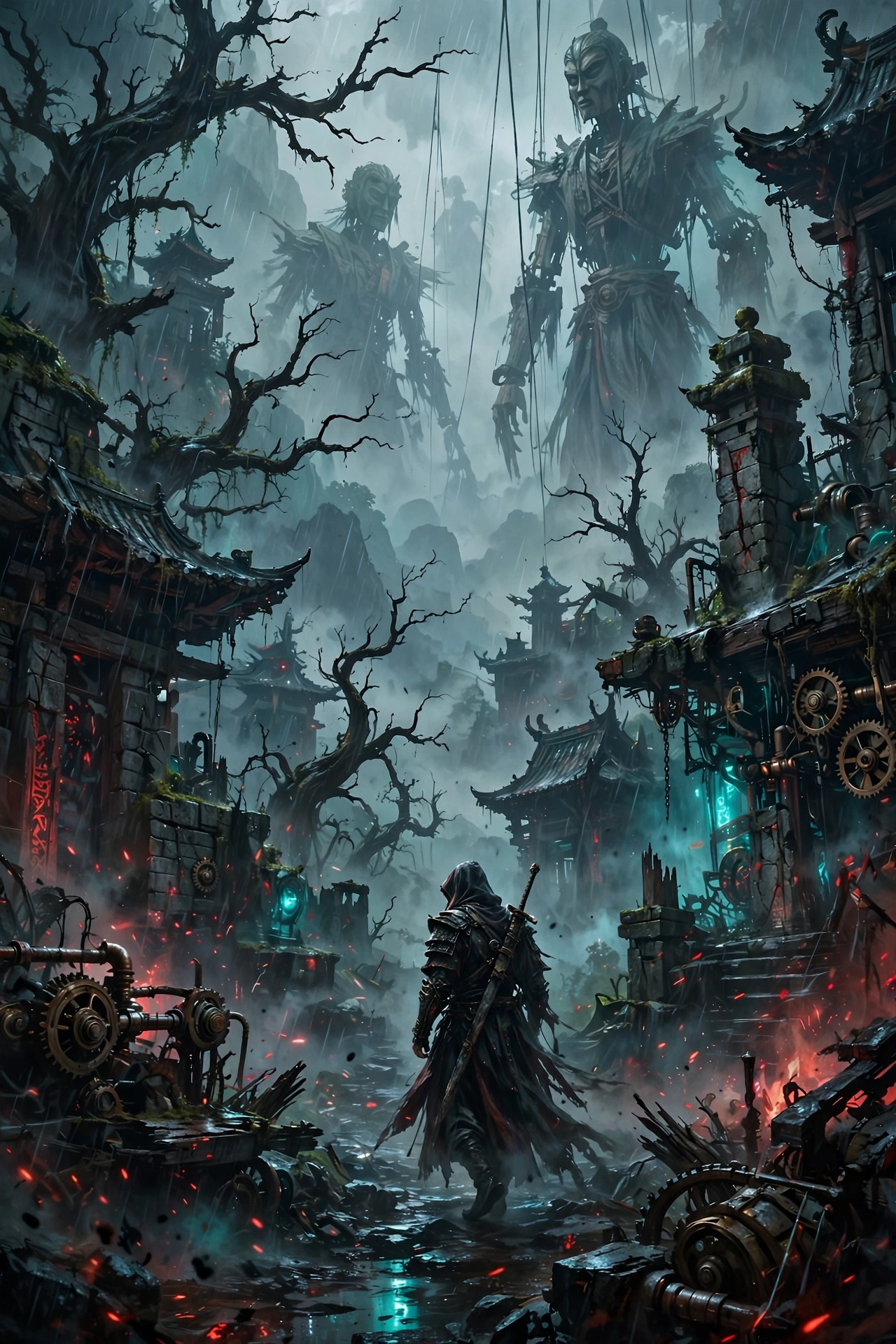
You play as Soul, an elite assassin framed for murdering his master and saved by a mystic healer — with only 66 days left to live. Sixty-six days. That ticking clock drives a dark wuxia story in S-GAME’s “Kungfupunk” world — Chinese martial arts, folk horror and strange industrial machinery, built in Unreal Engine 5. It looks like a martial arts film. It plays like one too, when you get the combat flowing.
What Is Phantom Blade Zero?
Phantom Blade Zero is a third-person action RPG from S-GAME, the Beijing studio behind the Rainblood series. Kung fu legend Donnie Yen worked as a creative consultant and lends his likeness to the character Mó Yuan. The game is a PlayStation 5 console exclusive for 12 months alongside its PC release on Steam and the Epic Games Store.
The campaign runs roughly 20 to 30 hours, with around 20 more hours of side content, and your choices in side quests can steer the story toward one of eight different endings. Eight. So do not rush past them. The side quests are not filler here — they actually shape where Soul’s story ends up.
How Does Combat Work in Phantom Blade Zero?
Forget everything you know about stamina bars. Seriously, throw that idea out. Combat in Phantom Blade Zero runs on Sha-Chi, a resource that powers both your attacks and your defense. Holding guard drains it, and so do heavy attacks — but switching weapons instantly restores it. That single rule defines the whole fighting style: you are meant to swap weapons mid-fight, constantly, rather than sticking to one blade and hoping for the best.
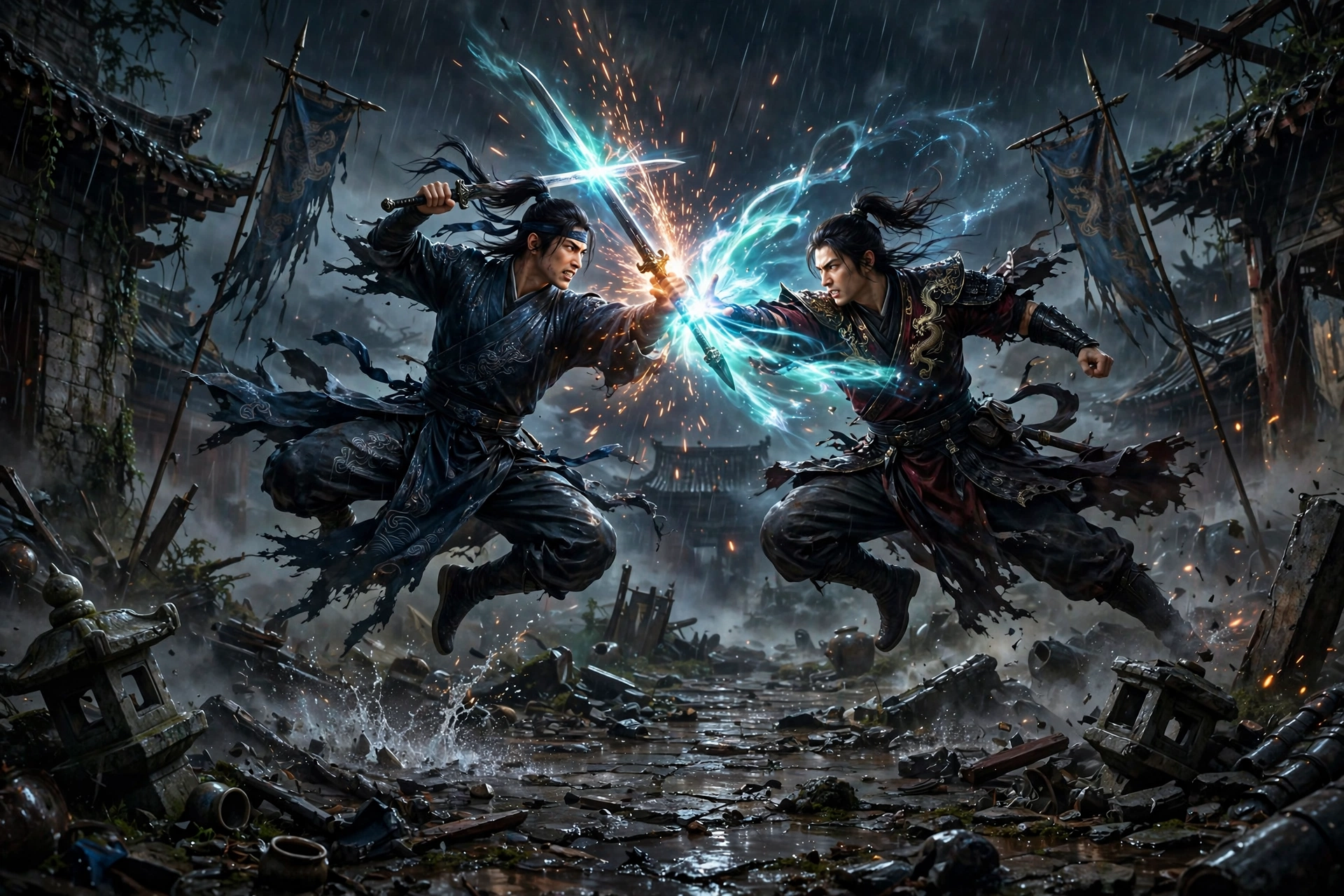
There are no locked-in attacks, either. You can cancel out of a combo into a block or a parry at almost any moment, which makes fights feel like choreographed wuxia duels instead of slow, punishing trades. Each weapon also has its own special technique, called a Power Surge, fueled by Sha-Chi Essence that you build up by fighting aggressively. Play bold, and the game rewards you for it. Play timid, and you will feel it.
How to Parry and Dodge in Phantom Blade Zero
Enemy attacks are color-coded, and learning the code is the fastest way to stop dying. Attacks you can deflect should be met with a parry, which opens the enemy up for a counter. The dangerous ones — the red, unblockable strikes — must be dodged, never blocked. Get this distinction right and defense turns into damage. Get it wrong and, well, you will know about it pretty quickly.
Two habits will carry you through the early game. First, do not panic-dodge: wait for the color cue, then commit to the right answer. It feels slow at first. It feels wrong, even. But once it clicks, everything else gets easier. Second, learn the Ghostep, a repositioning counter that lets you slip around an enemy and punish from a new angle. Practice both on the first few regular enemies before you worry about bosses — the same rules apply, only faster. Bosses do not invent new rules. They just enforce the old ones harder.
What Are the Best Weapons for Beginners in Phantom Blade Zero?
Phantom Blade Zero has more than 30 primary weapons, and most are seized from defeated foes — so taking on optional bosses and exploring thoroughly is how your arsenal grows. Every weapon has its own moveset, skill tree and upgrade path up to level 30, and each one plays almost like a different character. That is a lot of choice, so here are the ones beginners should understand first:
- Start with the Sanguine weapons. Soul’s starting set has a straightforward moveset that prizes familiarity over flash. Learn the parry and dodge timing with these before chasing exotic gear.
- Pair a fast weapon with a heavy one. Fast dual blades like the White Serpent and Crimson Viper build Sha-Chi Essence quickly, giving you faster access to Power Surges — the perfect partner for a heavy finisher weapon.
- Try the Jagged Steel Sword for bleed damage. Repeated hits build a Bleed Gauge, and when it fills, the enemy suffers a heavy Blood Loss effect. It rewards relentless pressure.
- Respect the Outlaw Warblade’s risk-reward. Its light combos restore health with each hit while its heavy strings drain it — a high-risk, high-reward choice once your timing is solid.
- Experiment freely. Upgrades can be reset at any time with all materials refunded, so no weapon choice is ever permanent. If a blade does not suit you, reforge it and move on.
What Are Phantom Edges and When Should You Use Them?
Phantom Edges are your secondary weapons — more than 20 of them, usually earned by defeating bosses. Unlike primary weapons, they have limited uses in battle, so they are tactical tools, not something to spam. Your loadout holds two primary weapons and two Phantom Edges, and pairing them well is half the strategy. The other half is knowing when to hold them back.
The roster is gloriously weird: axes that smash through impenetrable shields, chain sickles, thunder-infused spears, an arm cannon for safe ranged pressure, a lion-headed flamethrower, a bell that summons puppet allies, and even a horse-drawn chariot. Yes, a chariot. Keep one Edge for interrupting enemy attacks and one for crowd control or burst damage, and save them for the moment a fight turns against you — that is exactly what they are for. Burning them in the opening seconds is the classic beginner mistake.
Which Difficulty Should You Pick in Phantom Blade Zero?
Phantom Blade Zero offers four difficulty modes, including the punishing Hellwalker mode for veterans, plus a New Game Plus mode with new content and further weapon upgrades. New to action RPGs? Start on standard — enemy behavior already adapts to your skill, so you will not be left behind or bored stiff. Veterans should save Hellwalker for a second run, once parry and dodge timing is muscle memory. Hellwalker on a first run is a great way to hate a game you would otherwise love.
How Do Upgrades and Reforging Work?
Weapons grow through their own skill trees — spend points to unlock new combos, boost stats and eventually trigger a weapon’s evolution into a stronger form. Upgrade materials are mostly hidden in dungeons and abandoned manors, which is another reason exploration pays off. Wander off the main path. Poke around. The game hides its best stuff where curious players look. Focus your points on one or two favorites early rather than spreading them thin; a focused build feels far stronger in the opening hours.
And when you change your mind, the game respects your time. Visit the Traveling Artisan to reforge a weapon and get every material back, or use a Reforging Talisman to reset your skill choices. One early review put it well: there is no meaty punishment for respecing. That is a bigger deal than it sounds — it means you can actually try things without fear. If you enjoy this kind of build-crafting loop, our AION 2 beginner’s guide covers a similar class-and-gear system in another new RPG.
10 Beginner Tips for Your First Hours
- Swap weapons constantly — it restores Sha-Chi and keeps your offense flowing.
- Learn the color cues: parry what can be parried, dodge the red unblockable attacks.
- Do side quests. They affect which of the eight endings you get.
- Explore every corner. Weapons, materials and secrets hide off the main path.
- Fight optional bosses — most of the best weapons are seized from defeated foes.
- Save Phantom Edges for turning points in a fight, not the opening seconds.
- Focus upgrades on one or two weapons early; reforge freely when you change your mind.
- Use the Ghostep to reposition behind enemies instead of backing away.
- Do not fear death on bosses — fights restart at later phases instead of the beginning.
- Watch your Sha-Chi, not just your health. An empty meter means no guard and no Power Surge.
Frequently Asked Questions
Is Phantom Blade Zero a Soulslike?
No. S-GAME has said clearly that Phantom Blade Zero is not a Soulslike — its combat is closer to fast character action games like Devil May Cry and Ninja Gaiden, with wuxia film choreography. Boss fights restart at later phases after death, and the forgiving reforge system keeps the focus on stylish combat. If you want a gentler on-ramp to tough action games first, our Elden Ring beginner’s guide covers the fundamentals that transfer across the genre.
How long is Phantom Blade Zero?
The main campaign takes around 20 to 30 hours, with roughly 20 more hours of secondary content, side quests and optional bosses. Chasing all eight endings and New Game Plus will take considerably longer.
What platforms is Phantom Blade Zero on?
Phantom Blade Zero launches October 29, 2026 on PlayStation 5 and PC via Steam and the Epic Games Store. It is a PS5 console exclusive for 12 months. Early previews and reviews — including TheGamer’s review and Gosugamers’ preview — have praised its combat depth and weapon variety, with several critics calling it a genuine game-of-the-year contender.
Phantom Blade Zero is shaping up to be one of the biggest action releases of 2026. Go in with parry timing learned, a fast weapon paired with a heavy one, and a willingness to experiment — Soul’s 66 days are more than enough.