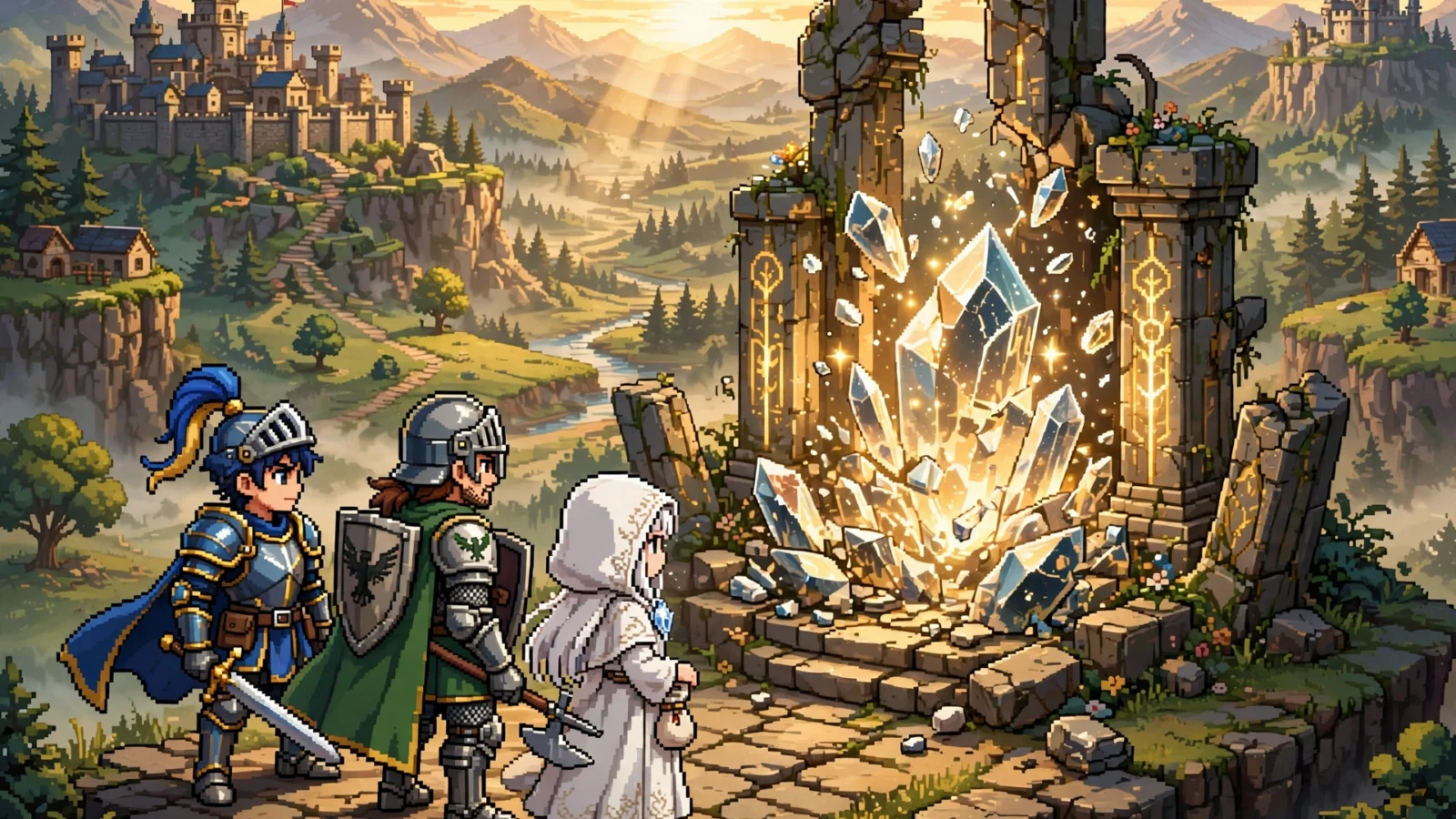
If you have just picked up Square Enix’s gorgeous new HD-2D RPG, this Final Fantasy Resonance beginner’s guide is the place to start. Launched on October 22, 2026 for PS5, Xbox Series X|S, Switch 2, Switch and PC, Resonance rebuilds the first story arc of the mobile game Final Fantasy Brave Exvius into a full console RPG — and it is already one of the best-selling games on Steam. It looks like a classic Final Fantasy, and in many ways it plays like one, but its stagger system, Visions and timeline combat add a few twists that can catch even series veterans off guard.
I have spent the first hours of the game learning those systems the hard way, so you do not have to. Here is everything a new player actually needs: how combat works, which Visions to grab early, what to do first, and the small habits that make the whole adventure smoother.
What Is Final Fantasy Resonance?
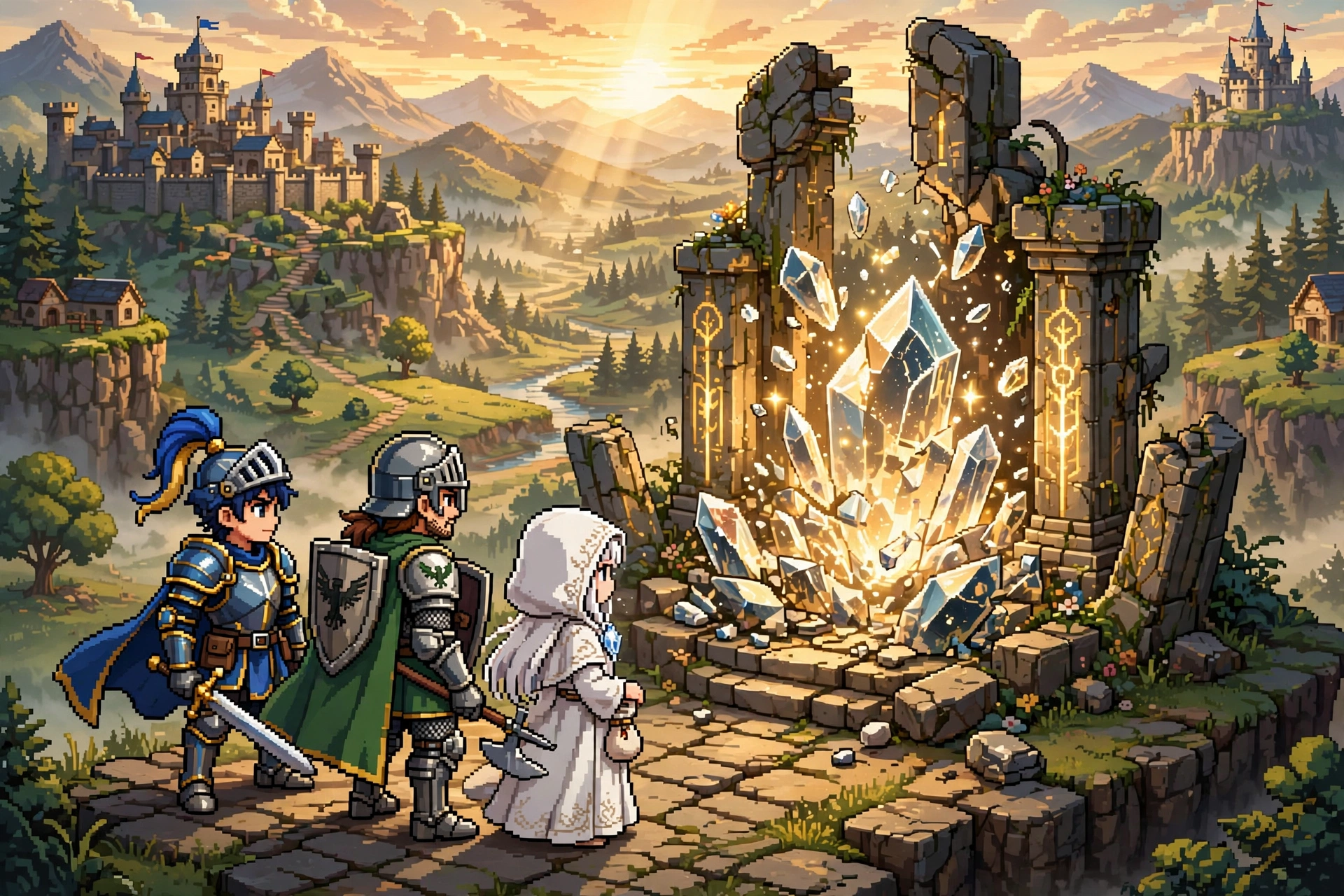
The story opens in Grandshelt, the Kingdom of Knights, a land blessed by the power of crystals. Rain, commander of the kingdom’s airship squadron, and his childhood friend and deputy Lasswell are sent to investigate the weakening barrier around the Earth Shrine — and things go badly wrong. A man in black armor, Veritas of the Dark, shatters the Earth Crystal and attacks Grandshelt itself. Joined by Fina, a mysterious girl who appears from the Earth Crystal and remembers nothing but her own name, the trio set out to protect the remaining crystals scattered across the world.
Visually, the game answers a fun question: what if Final Fantasy had kept evolving in pixel art? Detailed HD-2D sprites walk through 3D environments, and the opening movie uses a technique called Cinematic Pixel, which renders 3D footage in pixel form. Expect roughly 30 to 40 hours for the main story on Normal, or 60 to 80 if you chase everything.
How Does the Stagger System Work?
Stagger is the single most important mechanic in Final Fantasy Resonance, and once it clicks, every fight gets easier. Every enemy has two bars: a health bar and a stagger gauge sitting underneath it. Attacking an enemy chips away at that stagger gauge, and attacks that hit an elemental weakness drain it much faster. That is why finding weaknesses matters so much — it is not just about bigger damage numbers.
When an enemy’s stagger gauge empties, it is staggered. Two things happen: the enemy loses its upcoming action, and it takes more damage while staggered. Even better, the character who lands the breaking blow immediately gets a bonus action. So staggering is not only a damage window, it is crowd control. If a boss is glowing red and about to unleash a big attack, breaking it first means that attack never happens.
The practical lesson is simple. Check each skill’s preview before you commit: it shows both damage and stagger values, and early in a fight a modest-damage skill with heavy stagger is often the smarter pick. If you cannot finish a stagger in time, do not chase it — defend or heal instead. Wasted turns are how parties get wiped.
How Do You Trigger a Sweeping Stagger?
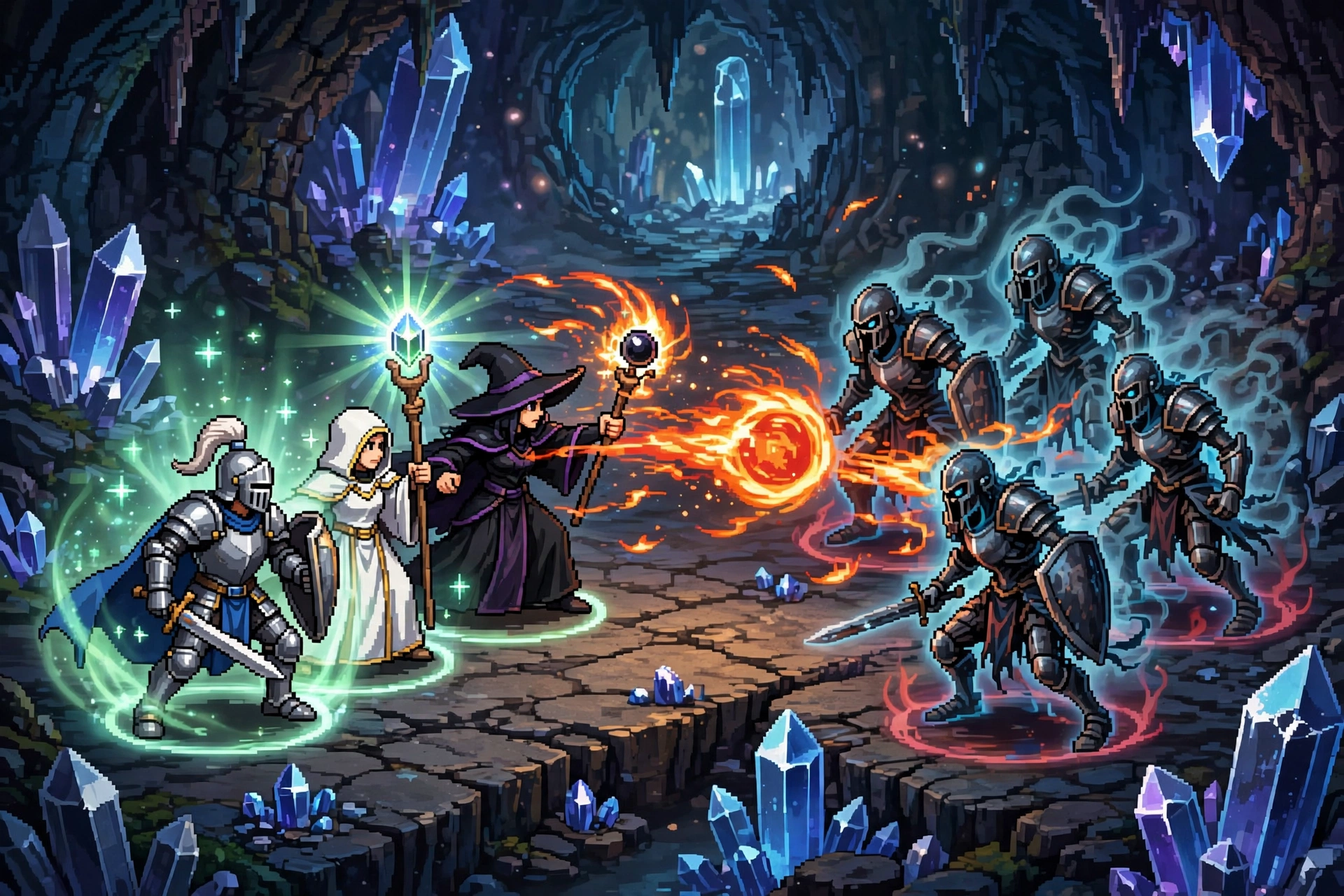
Here is where the combat system really opens up. If you stagger every enemy on the field in the same round, you trigger a Sweeping Stagger: your whole party acts again in an Extra Phase, and at the end of it you get to unleash a Resonance — a powerful, Vision-specific attack with its own cinematic sequence.
Getting there takes planning, and the timeline at the top of the screen is your best friend: it shows the action order of allies and enemies across the current round and into the next one. The trick is to spread your hits rather than piling everyone onto one target — soften every enemy’s stagger gauge first, then finish them all off in the same round.
Different Resonances do different things, so pick the one that fits the moment. Some hit all enemies at once; Leah’s Resonance, for example, fully restores the party and can save a run that is falling apart. Save your Limit Burst gauge for staggered enemies too — they take extra damage while staggered.
What Are Visions, and Which Should You Use First?
Visions are crystallized manifestations of heroes from across Final Fantasy history, and they are the heart of character progression. Each character equips exactly one Vision at a time, and it grants stat bonuses, abilities and magic. As your affinity with a Vision grows, more of its skills unlock — and here is the key detail: abilities you learn from a Vision carry over to your other Visions. So do not just pick one Vision and never switch. Learn its skills first, then rotate to something new.
Early on you will meet the game’s own heroes first. Leah is a white mage specializing in recovery, defensive spells and curing status ailments — your safety net. Tronn is a black mage commanding fire, ice and lightning magic, with abilities built for staggering enemies. Charlotte is a resilient defender wielding ice and water attacks. Later, Vision Crystal Sanctums scattered across the world unlock legacy heroes like the Warrior of Light, Terra, Cloud, Shantotto and Y’shtola.
For your first hours, variety beats raw power. Keep a spread of elements across the party so you can hit whatever weakness a new enemy shows, and lean on Leah’s Libra spell to reveal those weaknesses quickly.
How Do Espers and Limit Bursts Work?
Espers return as summons, and they work a little differently here. When called, an Esper fights alongside your party for three turns before unleashing a finishing attack. Siren specializes in wind and water attacks, while Ramuh’s Judgment Bolt deals lightning damage to all enemies — so match the Esper to the fight rather than summoning on autopilot. Your Limit Burst gauge builds as you fight; spend it when enemies are staggered, or save it for the moment a boss fight starts slipping away.
What Should You Do First in Final Fantasy Resonance?
The opening hours throw a lot of systems at you, so here is a sensible order of operations once the tutorials are done:
- Turn on Autosave and set your battle speed. You can only save anywhere on the field map, so Autosave is cheap insurance. Battle speed can be changed mid-fight from the icon in the bottom-left corner — the fastest setting makes random battles fly by.
- Stock up at every shop. Fina joins early as a healer, but she cannot carry every fight alone. Buy potions, and grab tents so you can fully heal the party at save points.
- Check each dungeon’s recommended level. Dungeons tell you the level your party should be. A couple of levels under is fine; far under means you should fight a few enemies or finish a side quest first.
- Search everywhere for Tablet Shards. These small glowing collectibles hide behind buildings, around corners and off the main path. Collecting all 12 in Chapter 1 unlocks the Stagger Ring through the shard reward system — an early reward well worth the detour.
- Do side quests, but check their rewards first. Some early side quests hand out genuinely useful gear, like Rain’s Flamberge Greatsword, or unlock Cloud’s Vision. Prioritize those over fetch quests with forgettable rewards.
- Watch the encounter radar. On the mini-map, a pinging wave shows how close you are to a battle — the redder it gets, the nearer the fight. Use it to heal or save before trouble finds you.
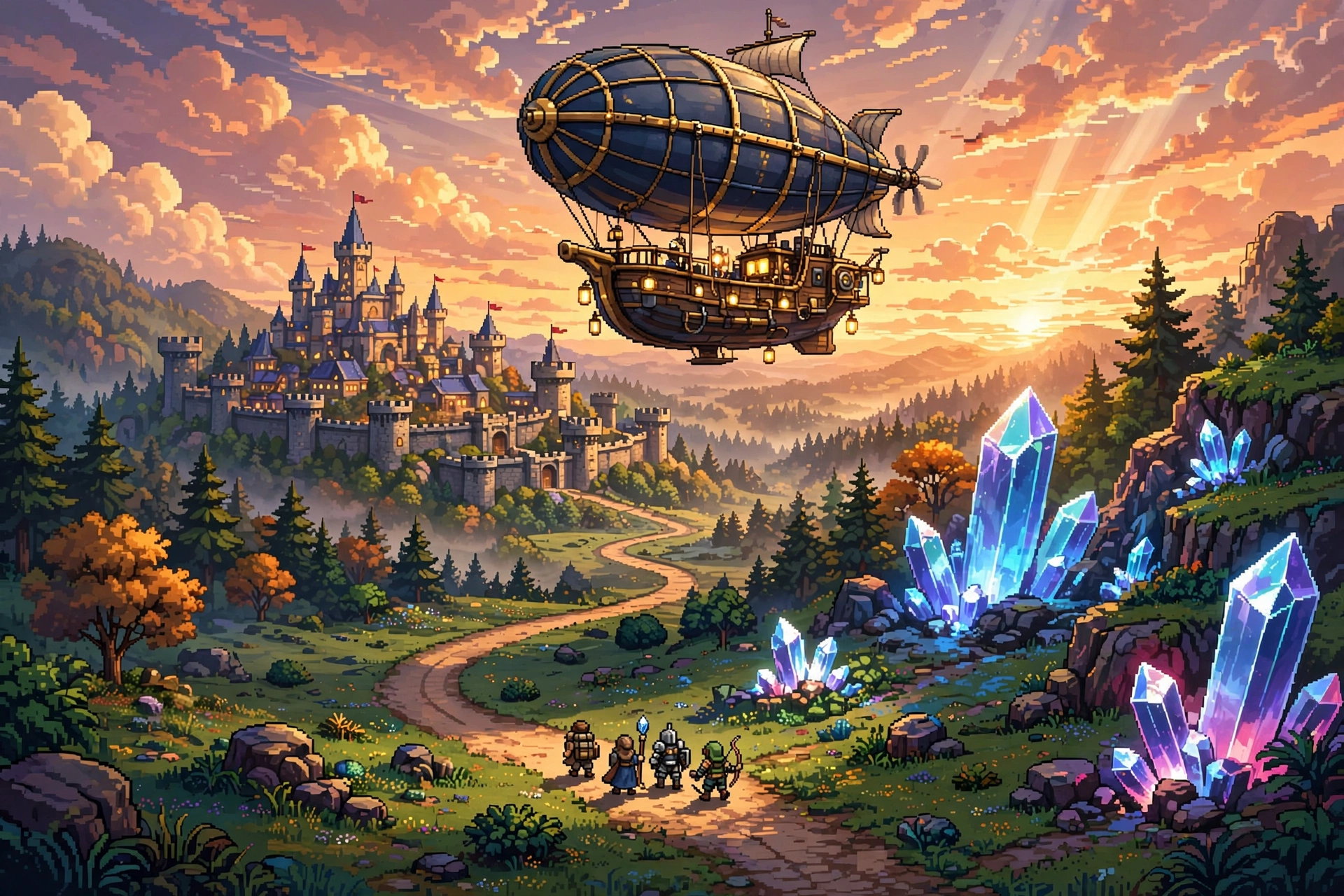
One habit pays off all game long: explore off the obvious path. Hidden chests, sparkly spots and obscure routes hide equipment and shards the main road never shows, and the airship you unlock later opens up even more regions and dungeons to revisit.
How Do You Change Difficulty in Final Fantasy Resonance?
Not sure which difficulty to pick? Relax — you can change it anytime from the in-game menu. Casual is built for a story-first experience with easier battles, Normal is the balanced default, and Expert makes battles harder but rewards more MRP, the resource used to improve your Visions. Start on Normal, and switch to Expert later if you are farming MRP. There is no penalty for adjusting.
If you enjoy this kind of guide, you may also like our Phantom Blade Zero beginner’s guide for another new release, or our AION 2 beginner’s guide if you want a bigger MMO-style adventure. And if you are weighing up older RPGs, our Baldur’s Gate 3 review explains why that one still sets the bar for storytelling.
Final Fantasy Resonance Beginner FAQ
How do you stagger enemies in Final Fantasy Resonance? Attack an enemy’s stagger gauge, ideally with its elemental weakness. Use Libra to reveal weaknesses, pick skills with high stagger values, and when the gauge empties the enemy loses its next action and takes extra damage.
What are the best early-game Visions in Final Fantasy Resonance? Start with Leah for healing and support, Tronn for elemental stagger damage, and Charlotte for defense. Learn each Vision’s skills before switching, since learned abilities carry across Visions, and unlock legacy heroes like Cloud and Terra at Vision Crystal Sanctums as you explore.
Is Final Fantasy Resonance worth playing in 2026? If you like classic turn-based RPGs, yes — a polished remake of Brave Exvius’s first arc with a smart stagger system, a 30 to 40 hour main story, and pixel art that genuinely raises the bar. Newcomers will find it welcoming, and veterans will enjoy the strategy layered on top of the nostalgia.
Final Thoughts
Final Fantasy Resonance does not ask you to master ten systems at once. Learn stagger, learn your Visions, and the rest falls into place. Take your time in the first chapter, grab those Tablet Shards, and keep your party’s elements varied. For more detail, the Game8 beginner’s guide and Square Enix’s official story and combat details are both worth a read.