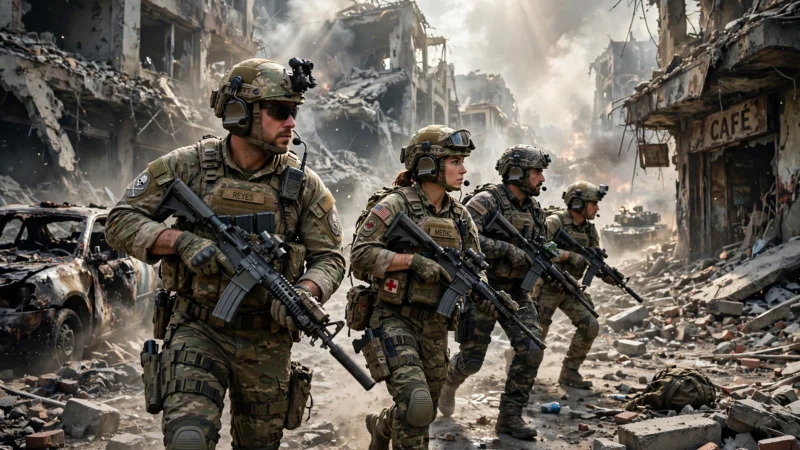
If you are new to PUBG: Battlegrounds, you have picked a great time to jump in. This is one of the biggest battle royale games in the world, and it is also one of the most unforgiving for a first-timer — which is exactly why a plan helps. This PUBG beginner’s guide walks through the whole match in plain language: where to land, what to loot, how to fight, and how to handle the shrinking zone. You do not need perfect aim to enjoy PUBG. What you need is a plan, a bit of patience, and the habit of making one good decision at a time. That last part is harder than it sounds when gunfire starts.
PUBG is a last-player-standing shooter. In a standard match, up to 100 players drop onto a large map, search buildings for weapons and gear, and fight until only one player or team is left. The winner gets the famous “Winner Winner Chicken Dinner” screen. That is the goal of every match, but for a beginner a better first goal is simpler: survive longer than you did last time, learn one new skill per match, and enjoy the slow build of tension that makes PUBG feel different from faster shooters. It is not a sprint. It is a long, quiet walk that occasionally turns into a panic.
You can play solo, in a duo, or in a squad of up to four players. Solo is the best place to learn the basics, because every decision is yours and every mistake teaches you something directly. No one to blame, no one to save you. Duos and squads are more forgiving once you understand the map, because teammates can revive you and cover you while you heal. Start solo for a few matches, then bring friends in when you feel comfortable moving, looting, and shooting without panicking. You will know when you are ready. The panic fades first.
How to Play PUBG for Beginners: The Basics
Every match follows the same rhythm. You wait in a lobby area, board a plane that flies across the map, and choose when to parachute out. Once you land, you loot buildings for a weapon, armor, a backpack, ammunition, and healing items. A white circle on your map marks the safe zone, and a blue circle shows where that zone will shrink next. If you are caught outside the safe zone, your health drains until you get back inside, and the damage gets worse as the match goes on. Early on it tickles. Late on, it melts you.
That shrinking circle is what drives the whole game. Early on, the map feels huge and quiet. Almost too quiet. Late in the match, the safe zone is tiny, every building matters, and the remaining players are close together — close enough that one wrong step ends your run. Good PUBG players do not just chase kills. They watch the timer, plan their next move early, and arrive at a strong position before they are forced to run across open ground. The players who die running across a field? Almost always the ones who left it too late.
Two habits will help you more than any fancy trick. First, keep moving with a purpose: always know where the next safe zone is and how you will get there. Wandering is dying, just slower. Second, listen. Footsteps, gunfire, and vehicles tell you where other players are long before you see them. Headphones make a real difference in PUBG, and turning your sound up a little in the early game helps you learn what each sound means. After a while you will hear a buggy in the distance and just know, without thinking, which direction it is coming from.
Where Should Beginners Land in PUBG?
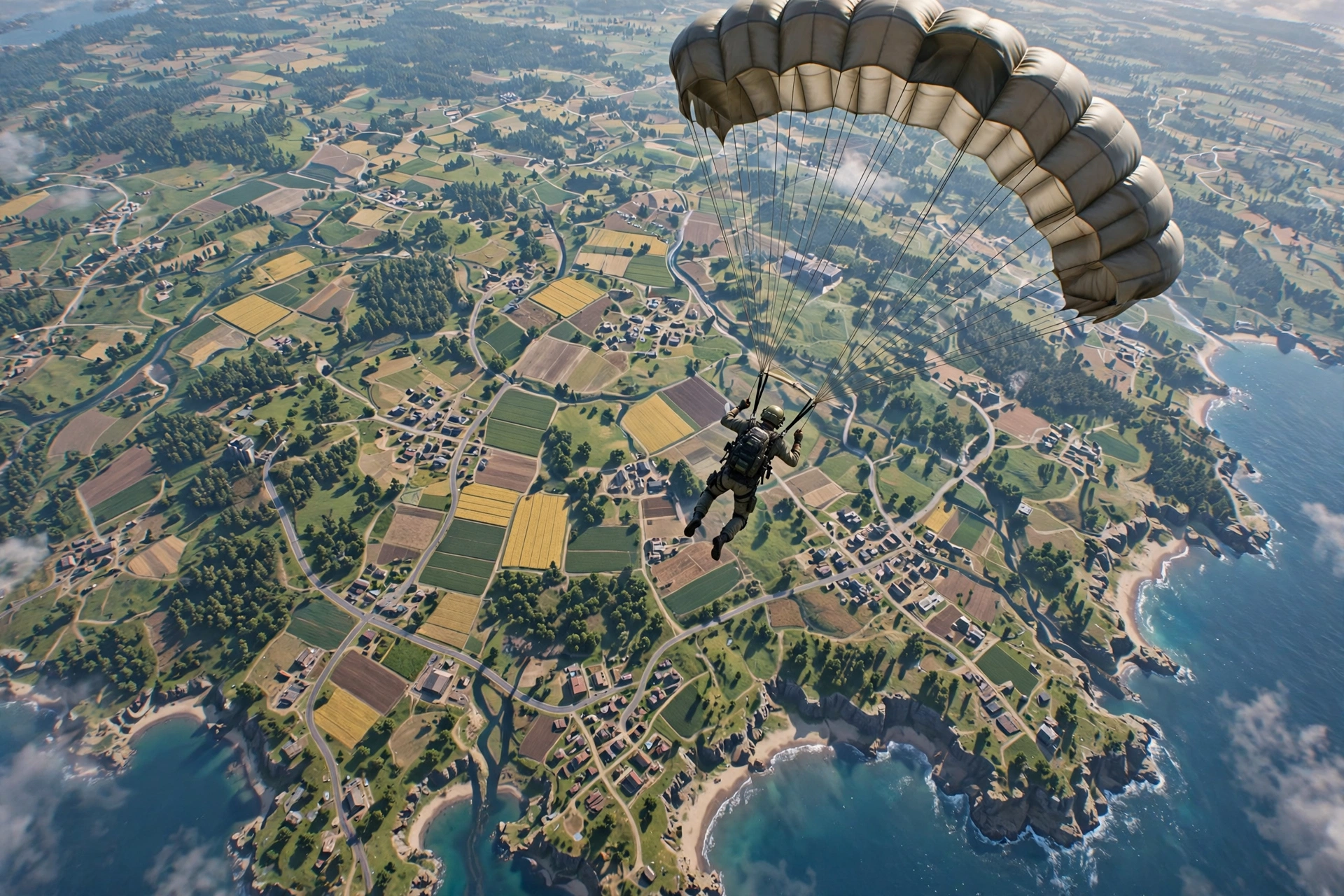
Choosing a landing spot is the first big decision of every match, and it sets the tone for everything after it. Busy towns like Pochinki and the School on Erangel offer excellent loot, but they also attract many experienced players who will fight you within seconds of landing. For your first matches, that is usually a recipe for a very short game. You land, you hear footsteps, you are dead before you have found a gun. We have all been there.
Instead, pick a quieter cluster of houses or a small town near the plane’s flight path. You will find enough gear to defend yourself, and you will have time to loot carefully, learn the controls, and plan your route. If your chosen spot turns out to be crowded, do not be afraid to drift a little further away while you are still in the air. Landing alive with a basic weapon beats landing in the middle of a fight with nothing. Every single time.
Also think about the safe zone before you jump. Landing inside or near the first safe zone saves you a long, risky rotation later. If you land far away, look for a vehicle early so you are not caught sprinting across open fields when the blue zone starts moving. A simple rule works well for beginners: land quiet, loot fast, then rotate early. Write it on a sticky note if you have to. It works.
PUBG Looting Guide: What to Pick Up First
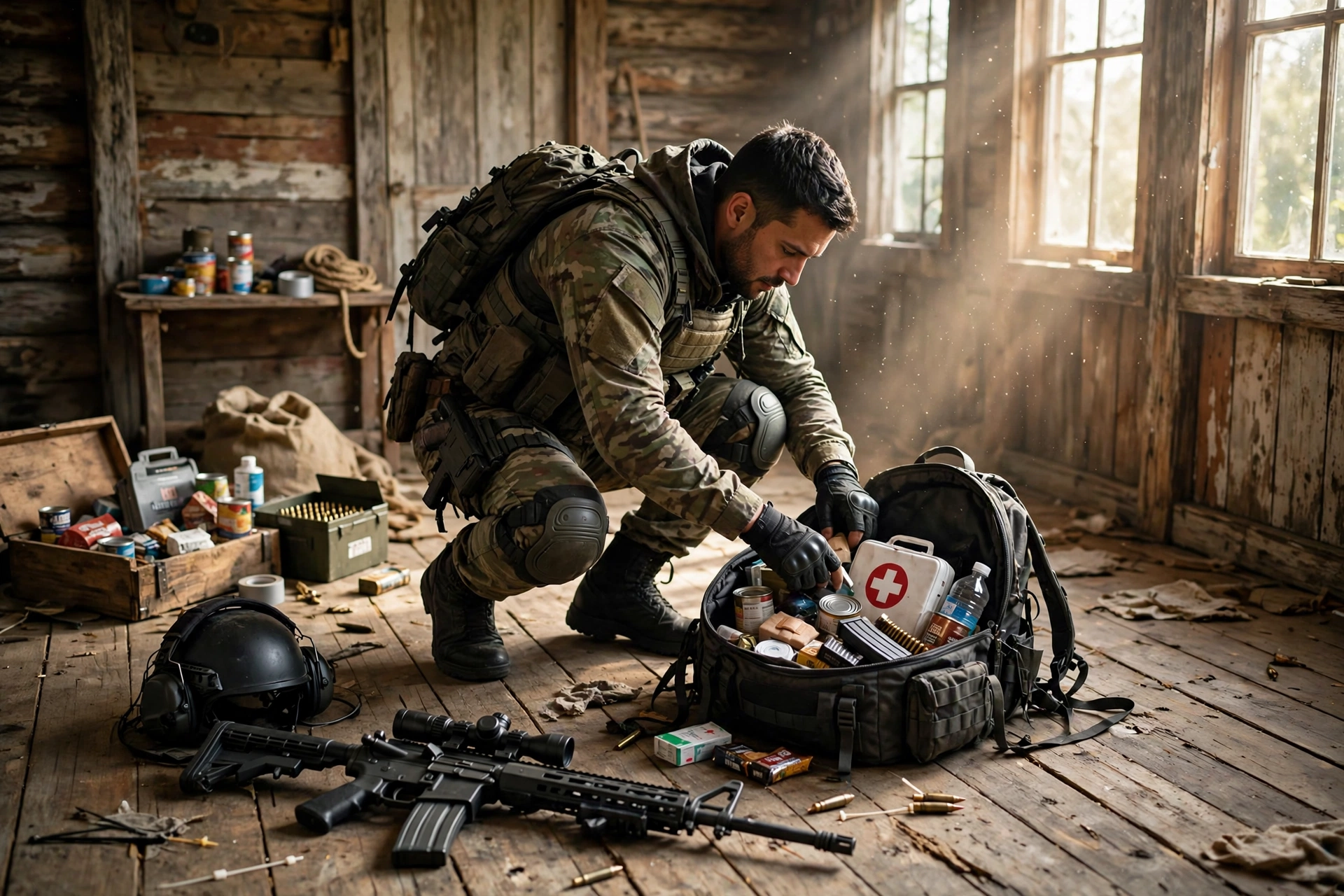
Looting in PUBG can feel overwhelming at first, because buildings are full of items with similar names. You open a door, see twelve things on the floor, and freeze. Use a simple priority list and you will never stand still wondering what to grab. Your first goal is always a weapon, then protection, then the items that let you carry and use everything else.
- A weapon, any weapon: Even a pistol or shotgun is better than nothing. Grab the first gun you see, then upgrade as you go.
- Helmet and vest: Aim for at least level 2 armor. It absorbs damage that would otherwise end your match instantly.
- Backpack: A bigger backpack lets you carry more ammunition, healing items, and attachments without constant inventory juggling.
- Ammunition for your weapons: Check which caliber your gun uses and keep a healthy supply, but do not hoard hundreds of rounds you will never fire.
- Healing items: Bandages, first aid kits, and energy drinks keep you alive after fights and while crossing the blue zone.
- Attachments: Scopes, grips, and extended magazines improve accuracy and control. A red dot sight is a great early upgrade.
For weapons, a versatile assault rifle is the best friend a beginner can have. The M416 and AKM are popular for a reason: they work at short and medium range, accept common attachments, and reward steady aim. Pair your rifle with a shotgun or submachine gun for close-quarters fights inside buildings, where a long-range weapon is awkward and slow. Avoid carrying two weapons that use the same ammunition unless you have plenty to spare, because you will run dry twice as fast — and discovering that mid-fight is a miserable experience.
Loot quickly and keep moving. Spending two minutes in one building while other players gear up around you is a common beginner mistake. Clear a building, grab what you need, and move to the next one. If you hear footsteps or gunfire nearby, stop looting, take cover, and listen before you decide whether to fight or slip away. Sometimes the bravest thing you can do in PUBG is walk away from a fight you do not need.
How to Fight and Win Gunfights Without Panicking
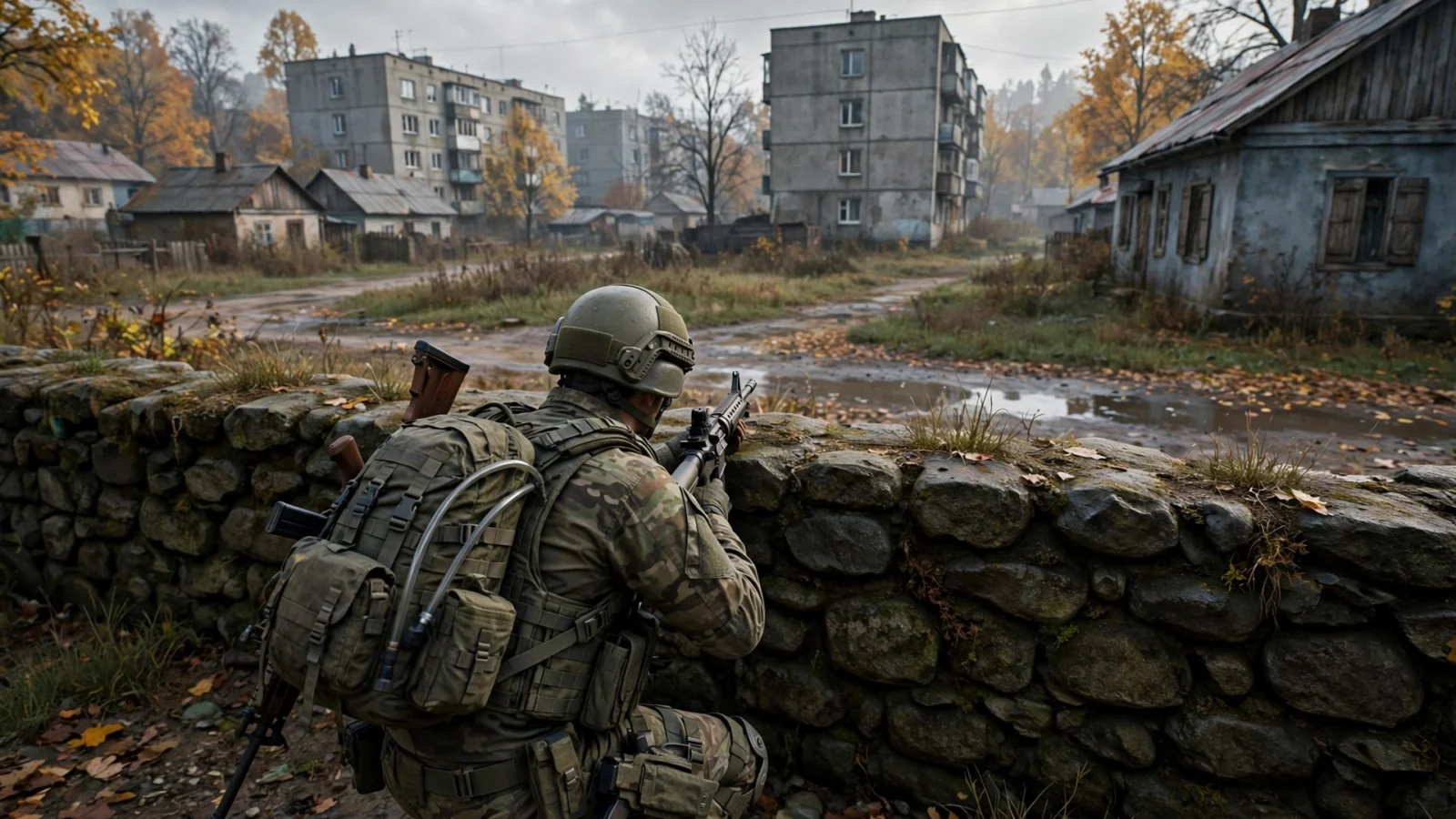
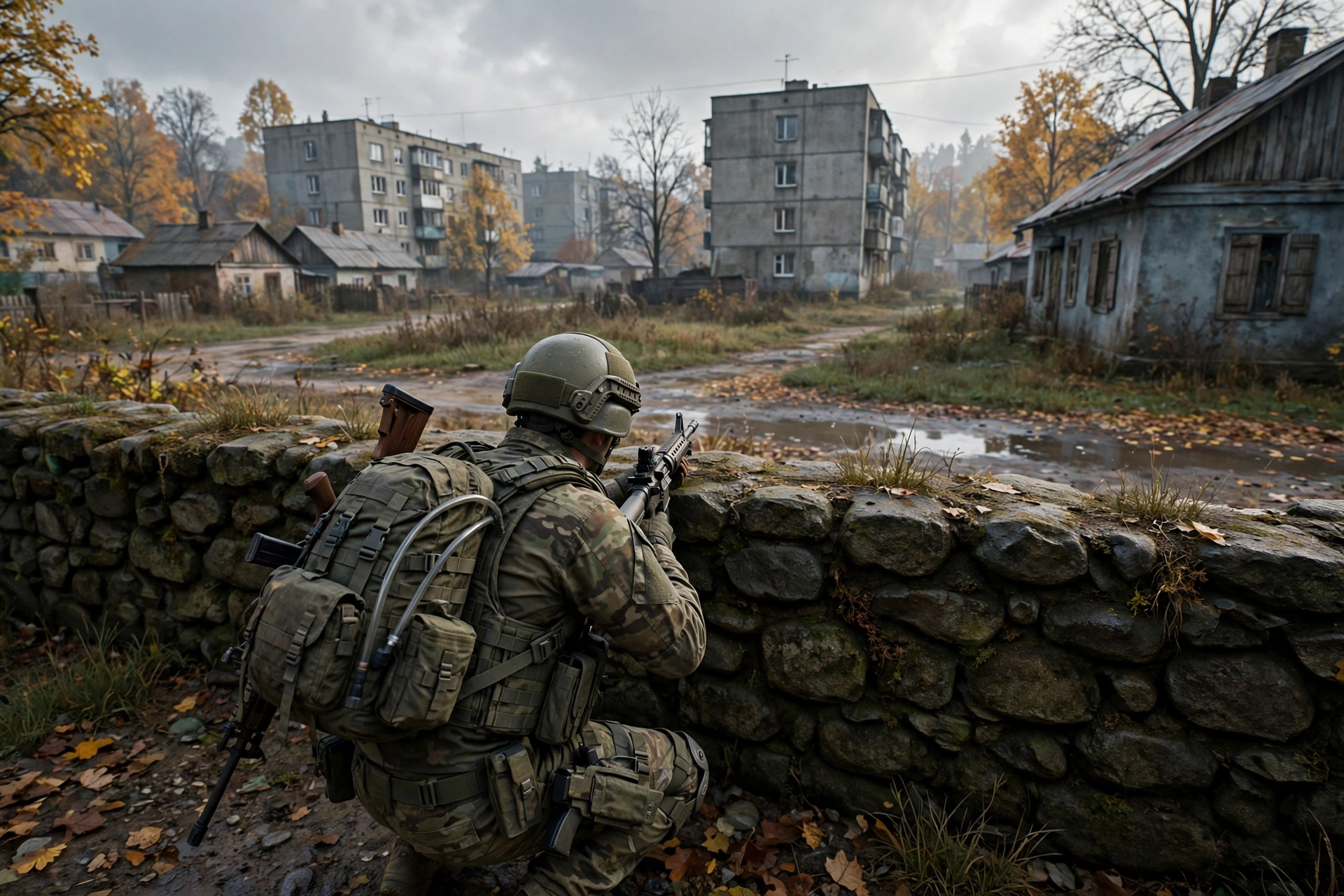
Most beginner gunfights are lost before the first shot, because the player runs into the open, stands still, or keeps shooting after missing. Panic does that. PUBG rewards players who shoot from cover, move between shots, and know when to disengage. If you are caught in the open, your first move should be to reach cover, not to return fire immediately. Get safe first. Shoot second. That order matters more than your aim.
When you do fight, use short bursts instead of holding the trigger down. Full-auto spraying looks powerful, but recoil climbs quickly and your bullets spread across the sky. Short, controlled bursts at medium range are far more accurate, especially with an assault rifle. Crouch or go prone when you have time, because a smaller target is harder to hit and your aim steadies. Small habits, big difference.
Position matters more than aim in PUBG. Fight from high ground or from a building doorway when you can, and avoid standing in windows where you are silhouetted against the light. If an enemy knows where you are and you do not know where they are, move. Repositioning to a new angle often turns a losing fight into a fair one. And remember the third-party rule: after any loud fight, other players will come to investigate, so heal, reload, and move on quickly instead of looting in the open. The loot can wait. The next squad will not.
Finally, do not chase every sound. New players often run toward gunfire hoping for an easy kill and walk straight into a prepared enemy. Let fights come to you when you hold a strong position, and only push when you have cover, a teammate nearby, or a clear advantage. Patience is not boring in PUBG. Patience is how you stay alive.
PUBG Blue Zone Tips for Beginners
The blue zone is not your enemy if you respect it. Watch the timer at the top of your screen: it tells you how long you have before the zone starts shrinking and how long the shrink will take. Plan your rotation while you still have time, not when the blue wall is already at your back and your health is ticking down. By then, every decision is a bad one.
Playing near the edge of the safe zone is a smart beginner habit. It limits the directions enemies can approach from, because nobody can shoot you from outside the zone for long. It also lets you pick off players who are forced to run in late. Just be careful not to get trapped outside by a vehicle-less rotation or a hill with no cover. Edge play is smart. Getting stuck outside is not.
Vehicles are excellent for long rotations, but they are loud and they announce your position to everyone nearby. Use a vehicle to cross large open areas early, then park it behind cover and continue on foot when you reach the zone. Late in the match, walking quietly is usually safer than driving straight into the final circle. A car engine in the final circle is basically a dinner bell.
Always carry enough healing items for a zone crossing. Bandages are slow but plentiful, first aid kits restore health to a high level, and energy drinks give you a small speed and healing boost over time. If you must run through the blue zone, heal before you start, sprint in a straight line toward cover, and heal again as soon as you are safe. Do not stop to loot on the way. Just run.
Best Settings and Practice Tips for New PUBG Players
You do not need professional settings to enjoy PUBG, but a few sensible starting points make the game smoother and easier to read. Many competitive players lower shadows, foliage, and post-processing effects, because those settings cost performance and can hide enemies in grass and shade. Textures at medium and a render scale of 100 keep the game sharp without overloading a mid-range PC, and turning motion blur and V-Sync off keeps movement crisp. Treat these as a starting point, then adjust one setting at a time and see what feels best on your own hardware, as our Dota 2 best settings guide and ARC Raiders best settings guide also recommend for their games. One change at a time, or you will never know what actually helped.
Sensitivity is personal, so do not copy a professional player’s numbers blindly. A lower sensitivity usually gives you steadier aim, while a higher one lets you turn quickly. Start in the middle, spend time in Training Mode, and adjust in small steps until flicking to a target feels natural. Training Mode is also the best place to learn recoil patterns: pick your favorite rifle, fire at a wall, and practice pulling your mouse down gently to keep the spray tight. Ten minutes here saves you ten frustrating matches later.
One more habit separates improving players from stuck ones: after each death, ask what actually killed you. Were you out of position, low on healing, or caught in the open? Most deaths in PUBG have a clear cause, and fixing one cause per session is how beginners become consistent survivors. If you want another beginner-friendly starting point, our Phantom Blade Zero beginner’s guide covers the same learn-the-basics-first approach in a very different kind of action game.
Frequently Asked Questions
How do you win a chicken dinner in PUBG?
You win by being the last player or team alive. Land safely, loot a weapon and armor, stay inside the safe zone, avoid unnecessary fights, and save your best position for the final circles. Survival and smart rotations matter at least as much as kills.
What is the best gun for PUBG beginners?
A versatile assault rifle such as the M416 or AKM is the safest choice. Both handle short and medium range well, take common attachments, and are easy to find. Pair one with a shotgun or submachine gun for fights inside buildings.
Is PUBG: Battlegrounds free to play?
Yes. PUBG: Battlegrounds moved to a free-to-play model in 2022 on PC and consoles, so you can download and play the core battle royale mode without buying the game. Optional cosmetics and a premium upgrade are available, but they are not required to compete.
PUBG rewards patience, positioning, and calm decisions more than raw speed. Land quiet, loot with a plan, rotate early, and fight from cover, and your matches will last longer within a few sessions. Your first chicken dinner may take a while, and that is normal. Every long survival teaches you something, and when that dinner finally arrives, it will feel earned. For the latest official news and updates, check KRAFTON’s official PUBG: Battlegrounds page and the Steam charts, where PUBG remains among the most-played games right now.